
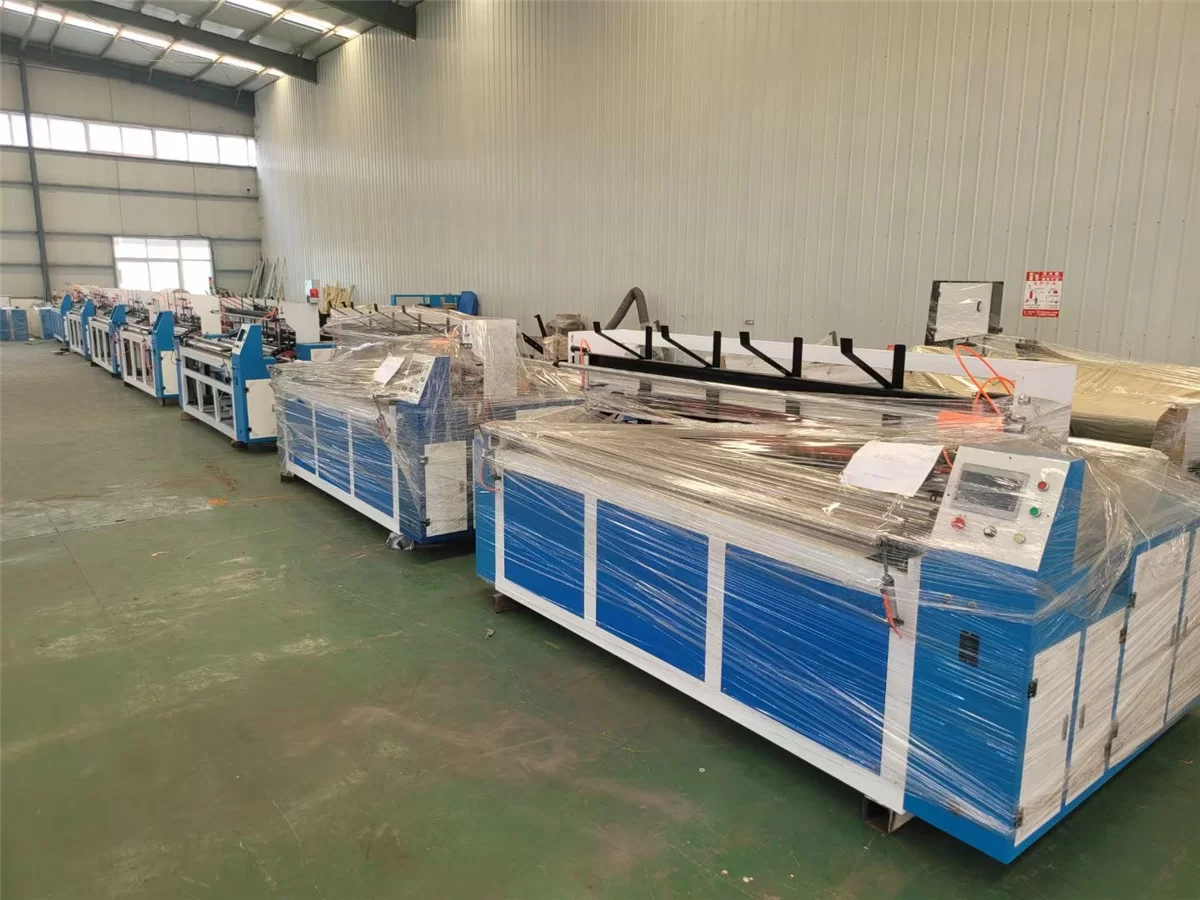
Process, equipment connection and operating requirements
Review how the complete line is arranged, which finished products it supports, how packaging is handled and what factory conditions should be confirmed.
Production process and equipment connection
Printed Napkin Production for Restaurants and Private Labels
The Model 300 two-color paper napkin production line converts jumbo tissue rolls into printed, embossed, folded and counted napkins.
The line is suitable for restaurants, food-service distributors and private-label producers that require logos, colored borders, decorative patterns or customized napkin presentation.
The configuration should be selected from the finished napkin dimensions, fold arrangement, number of colors, embossing pattern, sheets per pack and required output.
Suitable Finished Products
Restaurant table napkins
Printed promotional napkins
Cocktail napkins
Lunch napkins
Dinner napkins
Selected dispenser napkins
Private-label paper napkins
The unfolded and folded dimensions should be stated separately. A napkin sample or precise drawing can help confirm the folding arrangement.
Production Process
Jumbo tissue roll loading
Paper unwinding and web alignment
First-color printing
Second-color printing
Embossing
Longitudinal folding
Cross folding
Sheet cutting and counting
Finished-stack discharge
Bag or box packing
Outer carton packing
Equipment Composition
Model 300 Two-Color Napkin Paper Machine
The main machine completes paper unwinding, printing, embossing, folding, counting and finished-stack discharge.
The working width and folding components should match the intended napkin dimensions. Changing the finished size or fold may require mechanical adjustment or additional components.
Two-Color Printing Units
The printing units apply two colors of an approved logo, decorative pattern or border to the tissue web.
The printing result depends on:
Paper surface and absorption
Ink properties
Printing pressure
Artwork coverage
Color registration
Paper tension
Operating speed
The visible design should be checked after folding. An image positioned correctly on a flat sheet may not appear in the intended location on the finished napkin.
Embossing System
Edge embossing can help hold multiple plies together. Full-width embossing or a custom pattern can improve the finished presentation.
Embossing pressure should be controlled to avoid damaging lightweight paper or changing the appearance of printed areas.
Counting and Stack Discharge
The finished napkins are counted and discharged in defined stack quantities. The stack size should match the selected bag or box.
Stable counting and orderly stack formation are particularly important when napkins are transferred to automatic packing equipment.
Packing Equipment
The packing section can be selected for sealed plastic bags, retail packs, dispenser refill bags or boxes.
Automatic packing is more practical when the napkin dimensions and pack quantity remain stable. Semi-automatic or manual packing can offer more flexibility for short customized orders.
Printing and Artwork Preparation
Private-label projects should provide approved artwork before the printing system is finalized.
The project should confirm:
Number of printing colors
Logo and pattern dimensions
Printing position
Color references
Pattern repeat
Visible surface after folding
Paper grade
A production sample should be checked for print clarity, registration, ink transfer and final folded appearance.
Raw Material Requirements
The tissue jumbo roll should have suitable softness, strength, fold stability and printing performance.
Jumbo roll width
Jumbo roll diameter
Paper basis weight
Number of plies
Moisture condition
Surface appearance
Ink absorption
Dry tensile strength
Changes in the paper grade can affect printing, embossing, folding and finished-stack formation. Normal production material should be tested whenever practical.
Automatic and Operator-Assisted Operations
Automatically Completed Operations
Paper feeding after initial setup
One-color or two-color printing
Embossing
Longitudinal and cross folding
Sheet cutting and counting
Finished-stack discharge
Pack sealing when automatic packing is included
Operator-Assisted Operations
Jumbo roll loading and paper threading
Ink preparation and replenishment
Printing-plate or cylinder preparation
Product changeover
Finished-product inspection
Packing-material replenishment
Carton packing and warehouse handling
Cleaning and routine maintenance
Product Changeover
A product change may involve different paper, napkin dimensions, artwork, ink colors, embossing patterns, fold arrangement or pack quantity.
Products with similar specifications can be grouped into planned production batches to reduce changeover time.
Accepted machine settings should be recorded so operators can restore the arrangement when the same product is manufactured again.
Quality Checks
Unfolded napkin dimensions
Finished folded dimensions
Printing clarity and position
Two-color registration
Embossing appearance
Fold alignment
Sheet count
Finished-stack shape
Bag or box dimensions
Pack sealing
The first products should be inspected whenever the raw material, artwork, folding dimensions, embossing pressure or pack quantity changes.
Workshop Planning
The factory should reserve areas for:
Jumbo tissue roll storage
Main napkin converting equipment
Ink and printing-material preparation
Printing plates or cylinders
Finished-stack collection
Bag or box packing
Outer carton packing
Waste paper collection
Cleaning and maintenance access
The layout should support a clear movement from raw material to finished cartons while keeping printing materials and finished products properly organized.
Information Required for Configuration
Jumbo roll width and diameter
Paper basis weight and number of plies
Unfolded napkin dimensions
Finished folded dimensions
Fold arrangement
Printing artwork and colors
Embossing requirement
Sheets per pack
Packing format
Target production capacity
Workshop and power conditions
These details allow the printing, embossing, folding, counting and packing equipment to be matched to the intended restaurant napkin.
``
Primary and secondary packing options
Equipment arrangement and workshop flow
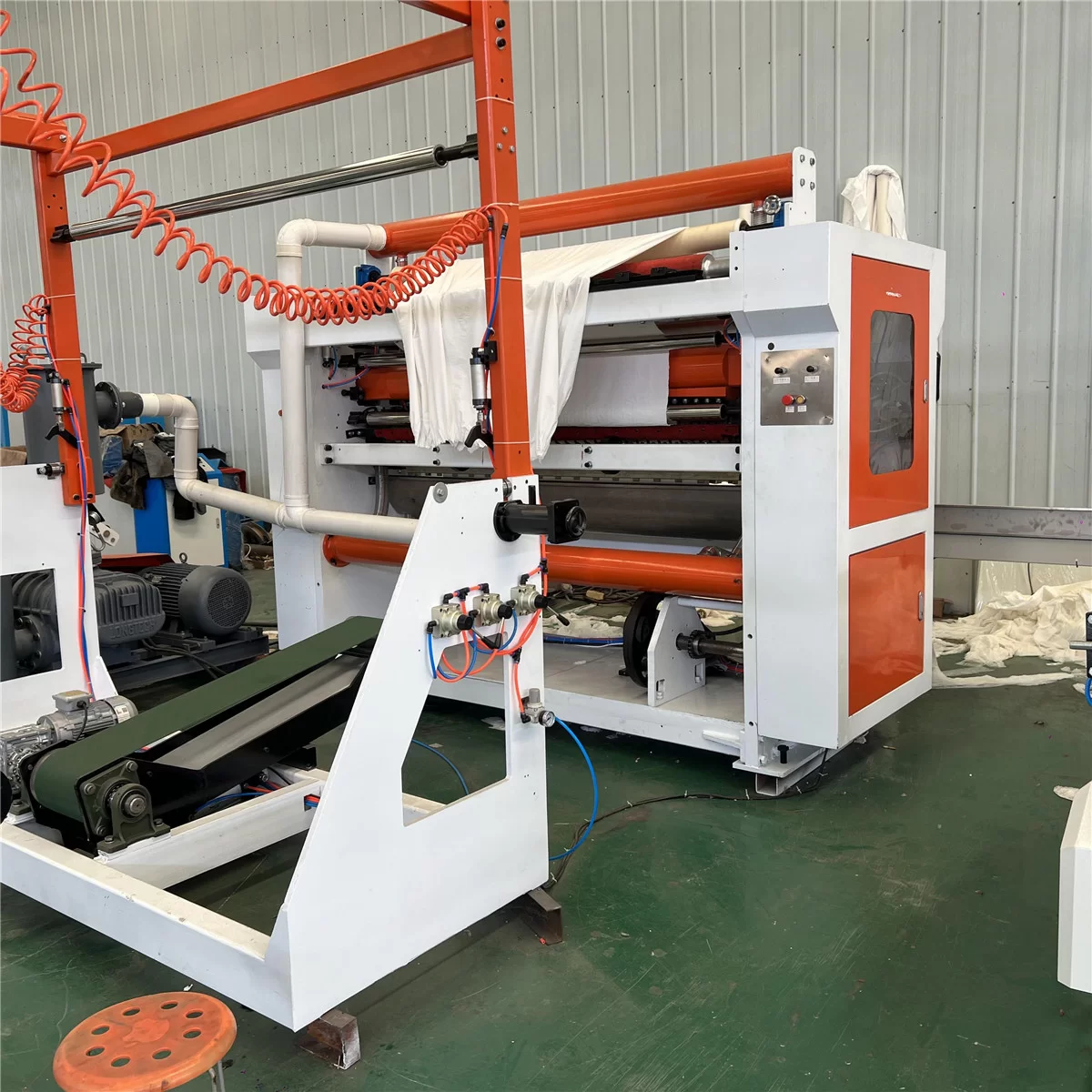
Practical output, operator quantity, installed power and workshop space depend on the final equipment combination, finished-product dimensions, packing format and operating conditions. Confirm these values in the final technical proposal.