
Tissue Paper Converting Machines, Processes and Equipment Selection
Tissue converting turns jumbo paper rolls or other approved substrates into finished toilet rolls, folded tissues, kitchen towels, napkins and cleaning wipes. This guide explains how the main machines fit together and which information should be confirmed before equipment is selected.
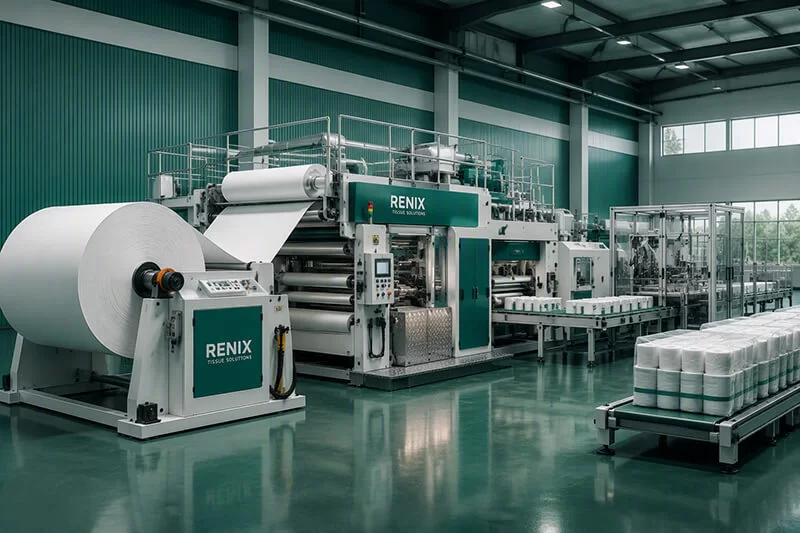
Tissue converting is not paper making. The converting stage receives jumbo tissue rolls or another suitable substrate and changes the material into a defined finished product through rewinding, folding, embossing, perforating, cutting and packing.
Produces the parent tissue roll from pulp or recovered fiber through stock preparation, forming, pressing, drying and reel winding.
Processes the parent roll into finished retail or commercial products such as toilet rolls, facial tissues, kitchen towels and napkins.
Protects, counts, groups and presents the finished products for retail, contract supply, warehousing and shipment.
Machines are selected by process stage and finished product
The same machine name does not guarantee the same product range. Working width, raw material, finished dimensions and interface requirements must be checked.
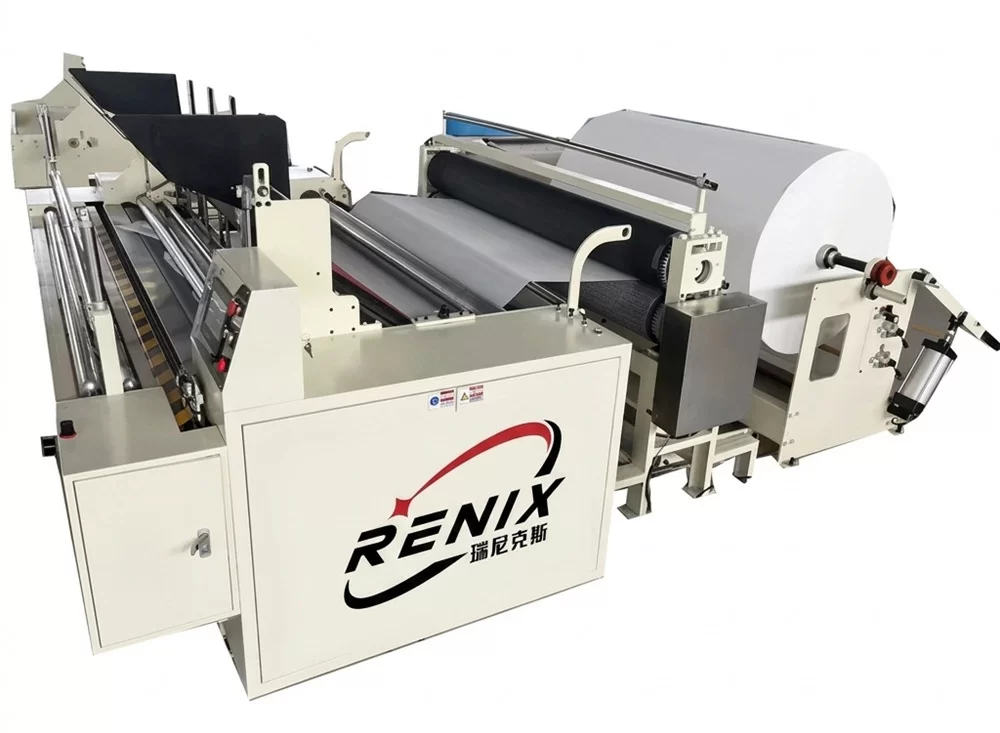
Toilet Paper Machines
Browse toilet paper machines by process stage and compare machine functions, specifications, options and interfaces with existing converting lines.
Browse machines →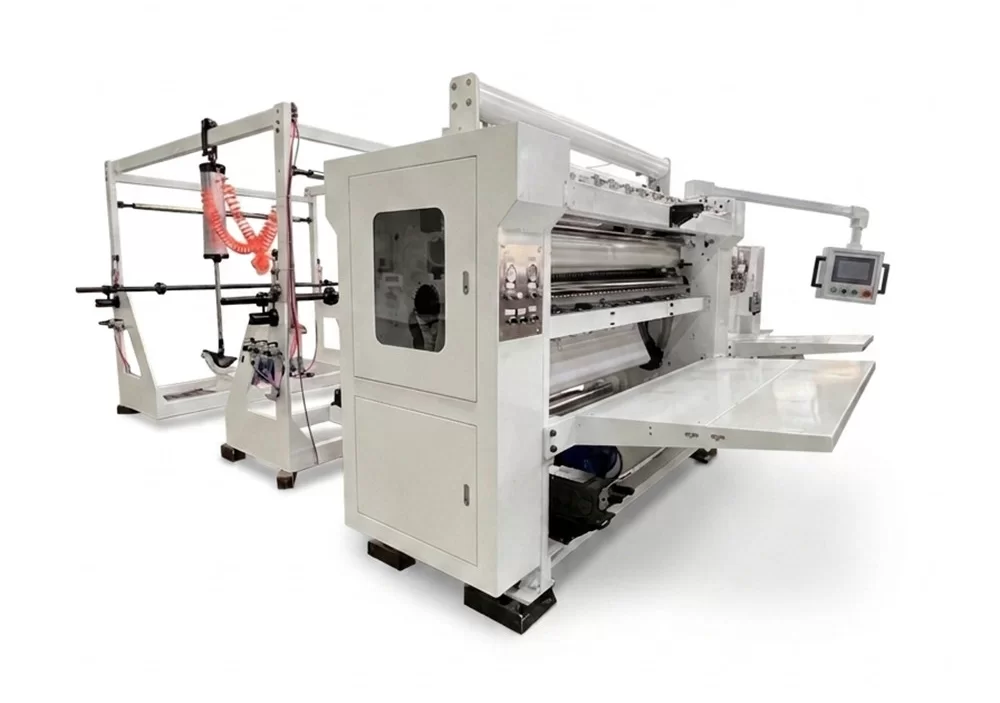
Facial Tissue Machines
Browse facial tissue machines by process stage and compare machine functions, specifications, options and interfaces with existing converting lines.
Browse machines →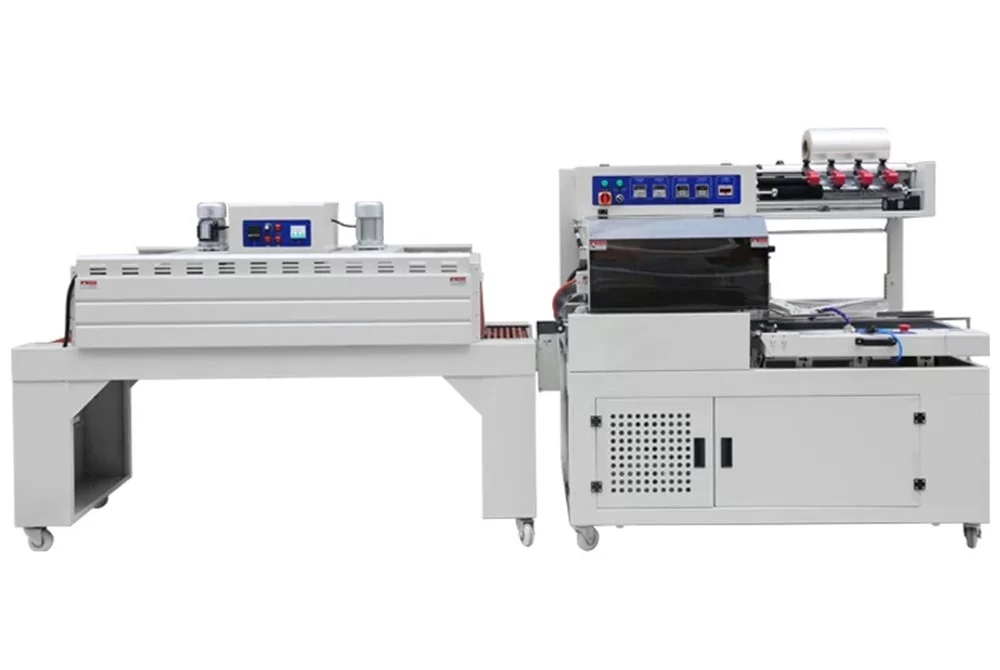
Kitchen Towel Machines
Browse kitchen towel machines by process stage and compare machine functions, specifications, options and interfaces with existing converting lines.
Browse machines →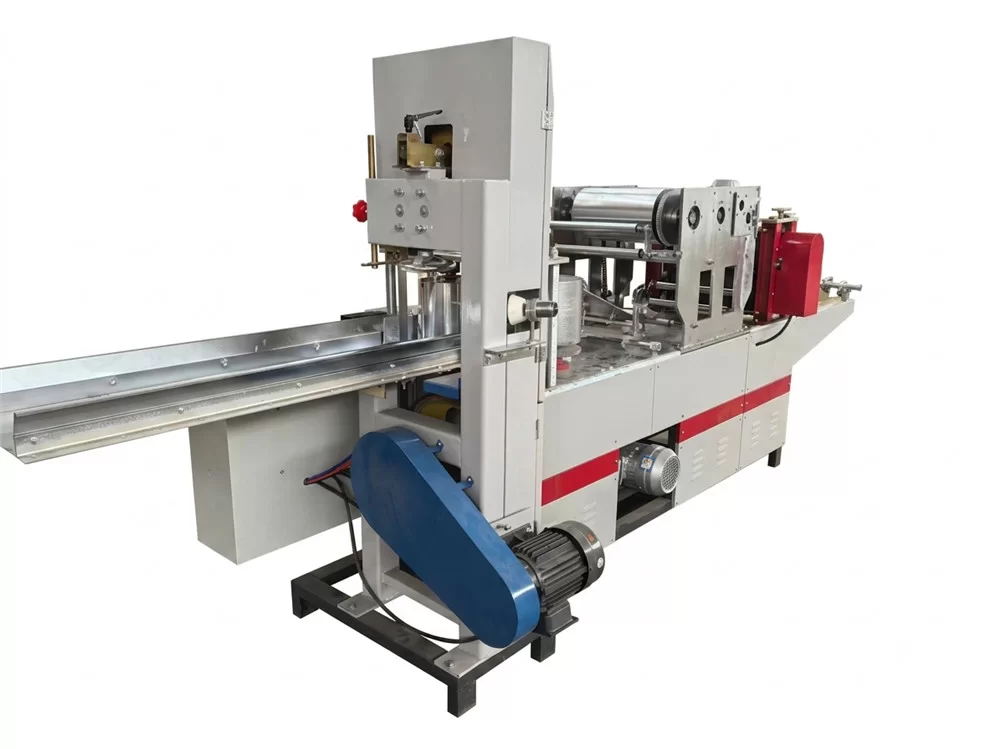
Napkin Machines
Browse napkin machines by process stage and compare machine functions, specifications, options and interfaces with existing converting lines.
Browse machines →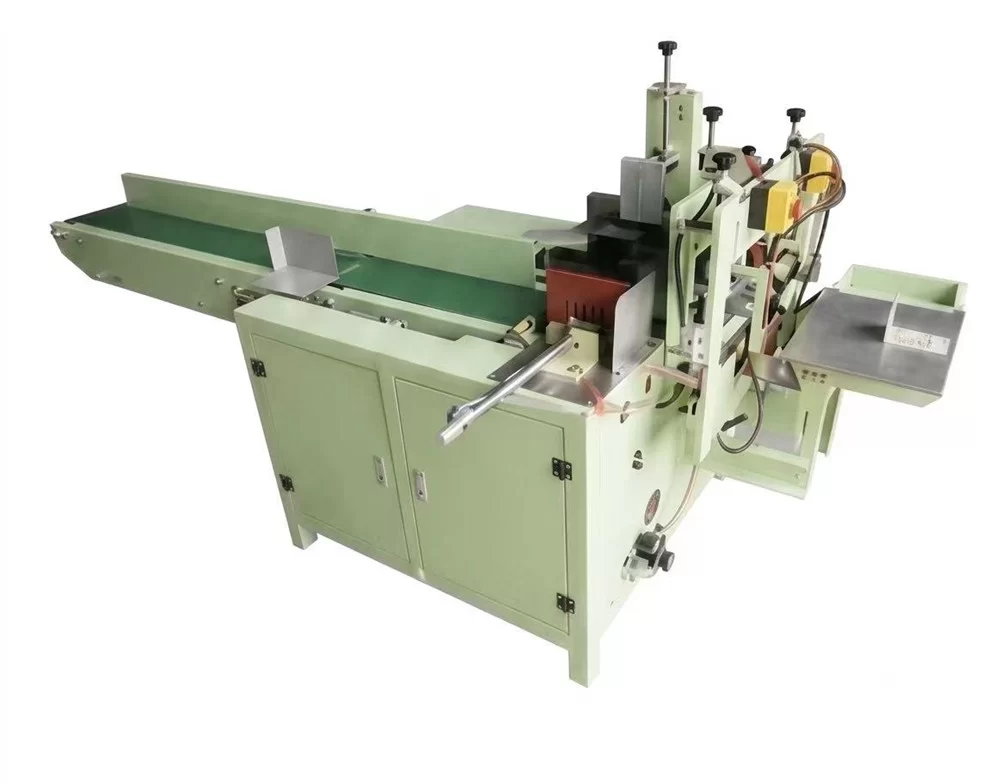
Disposable Cleaning Cloth Machines
Browse disposable cleaning cloth machines by process stage and compare machine functions, specifications, options and interfaces with existing converting lines.
Browse machines →The principal stages in a converting process
A complete line may connect all five stages, while an existing factory may only need one machine or one automation upgrade.
Material Handling
Jumbo roll loading, unwind stands, web guidance, tension control and initial threading.
Converting
Rewinding, interfolding, embossing, lamination, printing, perforation or slitting.
Cutting
Log sawing, band-saw cutting, cross cutting or stack cutting according to the product.
Transfer
Operator-assisted movement, conveyors, accumulation, positioning and product feeding.
Packing
Wrapping, bagging, boxing, grouping, bundle packing, case packing and discharge.
Information that should be confirmed before a quotation is compared
Design speed alone cannot define the correct machine. The proposal should connect product specifications with material, practical output, packaging and factory conditions.
Different pages answer different purchasing questions
These content models are separated to avoid repeating the same page with a different title.
applications
Use application pages to understand product-use requirements, raw materials, converting routes, suitable equipment, packaging and quality considerations.
Explore applications → FINISHED PRODUCTSfinished products
Use finished-product pages to compare dimensions, ply, basis weight, roll diameter, core, embossing and packaging examples.
Review product samples → SOLUTIONSTissue Factory Solutions
Use solution pages when budget, labor, workshop space, automation or an existing production line is the main decision factor.
Review solution paths → CUSTOMER PROJECTSTissue Machine Projects
Use project records to review actual configurations, trial runs, packing, loading, delivery scope and documented project stages.
View project records →Continue from the guide to specific machinery
Open a machine or production-line page for detailed specifications, working principles, equipment composition and configuration notes.
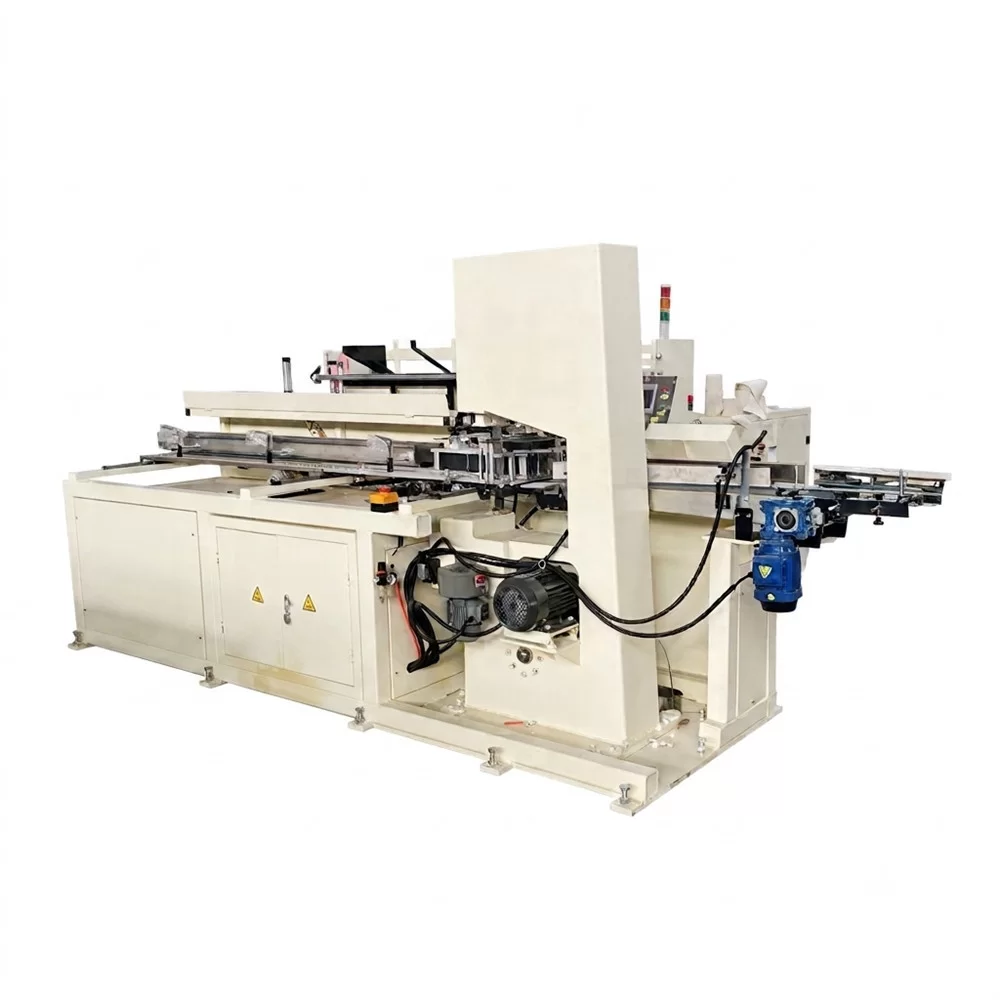
DT2200 Automatic High-Speed Toilet Paper Band-Saw Cutter
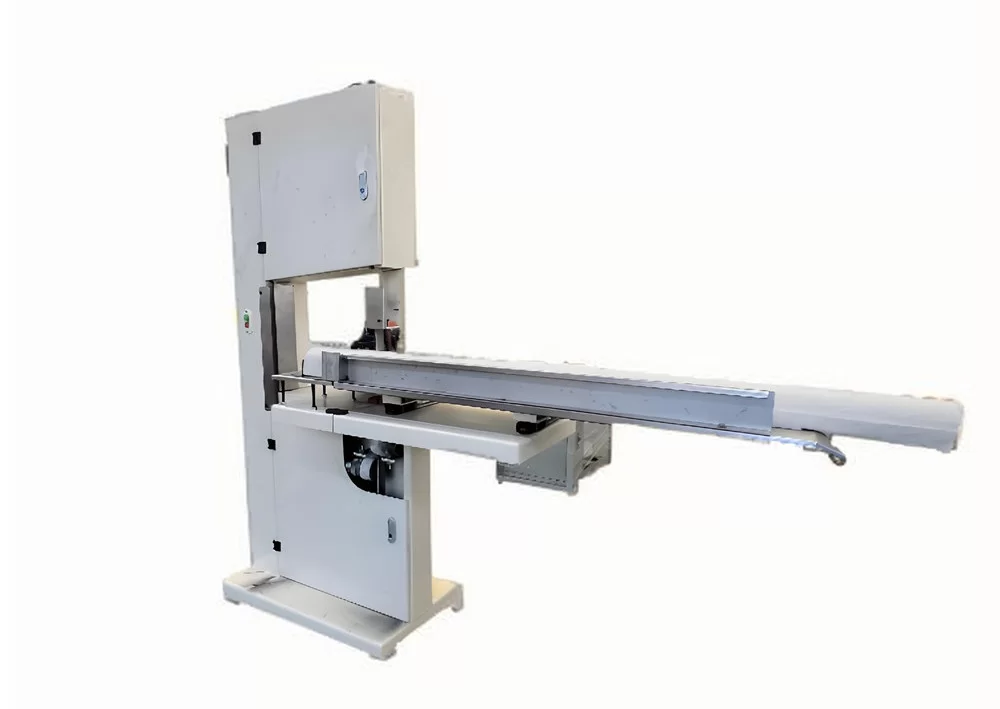
PE40 Manual Band-Saw Paper Cutter
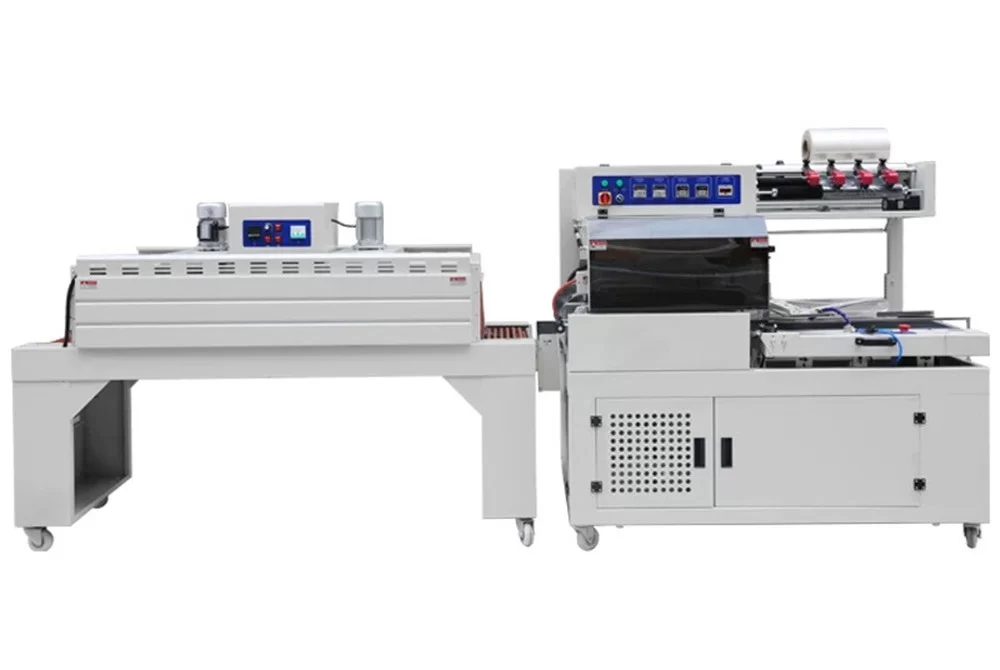
ZWG-210 Automatic Heat-Shrink Packaging Machine
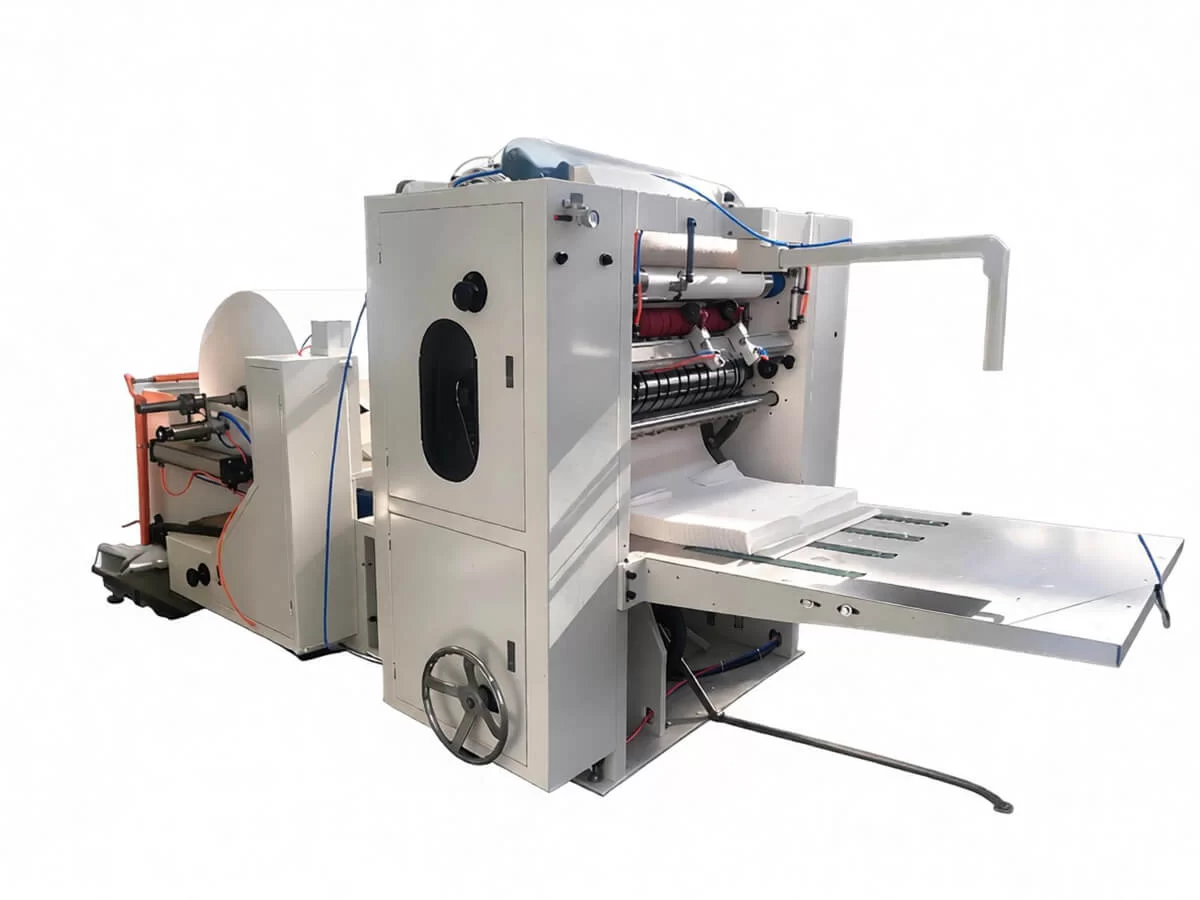
Automatic Paper Hand Towel Folding Machine
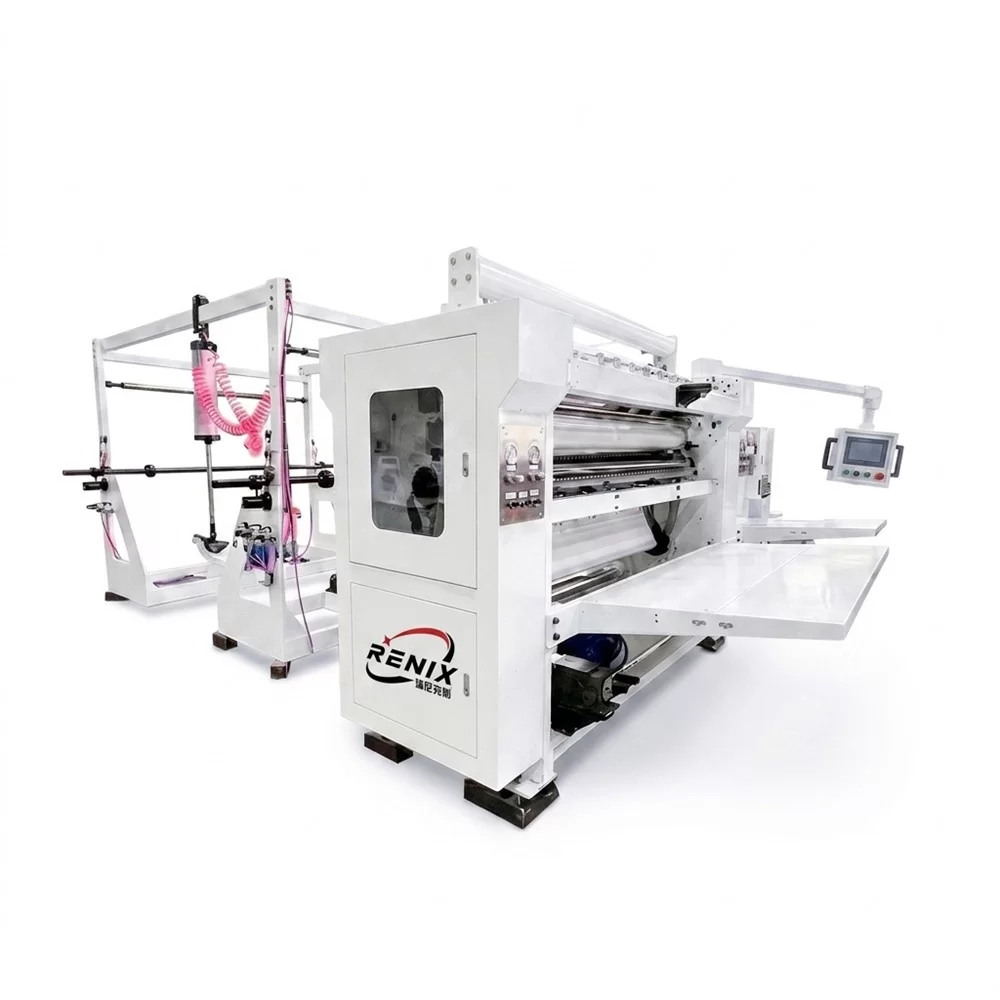
Automatic Facial Tissue Soft Pack Wrapping Machine
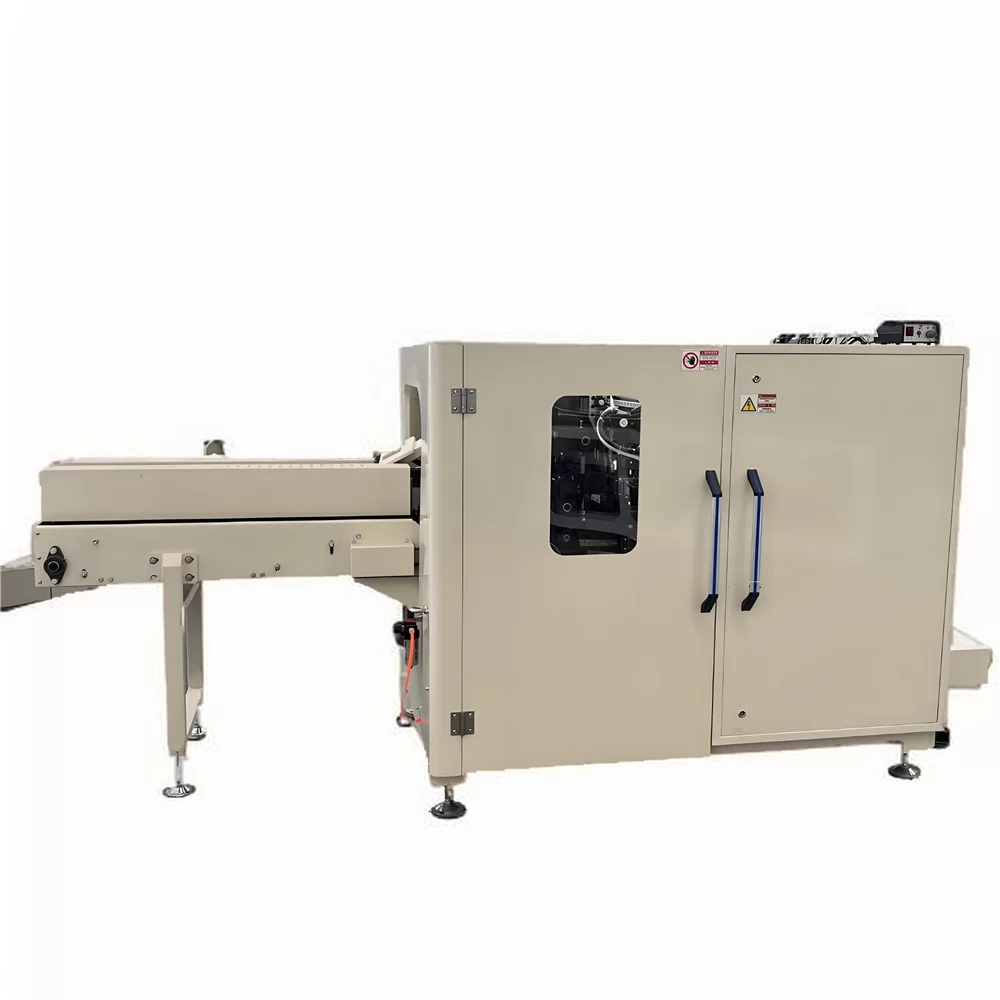
Automatic Rotary Facial Tissue Log Saw
The equipment and process information on this page is a selection guide. Final machine scope, output, automation and line layout should be confirmed from the actual raw material, finished product, packing format, workshop and local utilities.
Common questions about tissue paper converting machinery
These answers explain the general equipment scope. Final machine selection still depends on the finished product, raw material, output, packaging and factory conditions.
What is the difference between tissue converting machines and paper-making machines?
Paper-making machines produce parent tissue rolls from pulp or recovered fiber. Tissue converting machines receive those jumbo rolls and process them into finished toilet rolls, facial tissues, kitchen towels, napkins or cleaning wipes through operations such as rewinding, folding, embossing, perforating, cutting and packing.
Which machines are needed for toilet paper, facial tissue or napkin production?
Toilet paper normally requires rewinding, log cutting and roll packing equipment. Facial tissue commonly requires interfolding, tissue-log cutting and soft-pack or box packing equipment. Napkin production generally requires printing or embossing, folding, counting and packing functions. The exact scope should follow the finished dimensions, paper specification, output and pack format.
Should equipment selection begin with the finished product?
Yes. Finished size, ply, basis weight, roll or stack dimensions, core, embossing, perforation, fold and packaging format affect the machine working range and configuration. Beginning with a machine name before these product details are clear can lead to unnecessary functions or incompatible equipment.
What is the difference between an individual machine and a complete production line?
An individual machine completes one defined process and is suitable when compatible upstream and downstream equipment already exists. A complete production line connects several stages, such as converting, cutting, transfer and packing, and must be balanced around one practical finished-product output.
What information is required before a machine configuration is recommended?
Provide the finished-product sample or dimensions, raw-material specification, target practical output, packaging method, preferred automation level, existing equipment, workshop dimensions, destination voltage and available utilities. These details help define the required machine functions and interfaces.
Apply the equipment guide to your finished product and factory conditions.
Leave your email address. Product dimensions, raw material, output, packaging, automation, workshop and existing equipment can be confirmed during the follow-up.