1
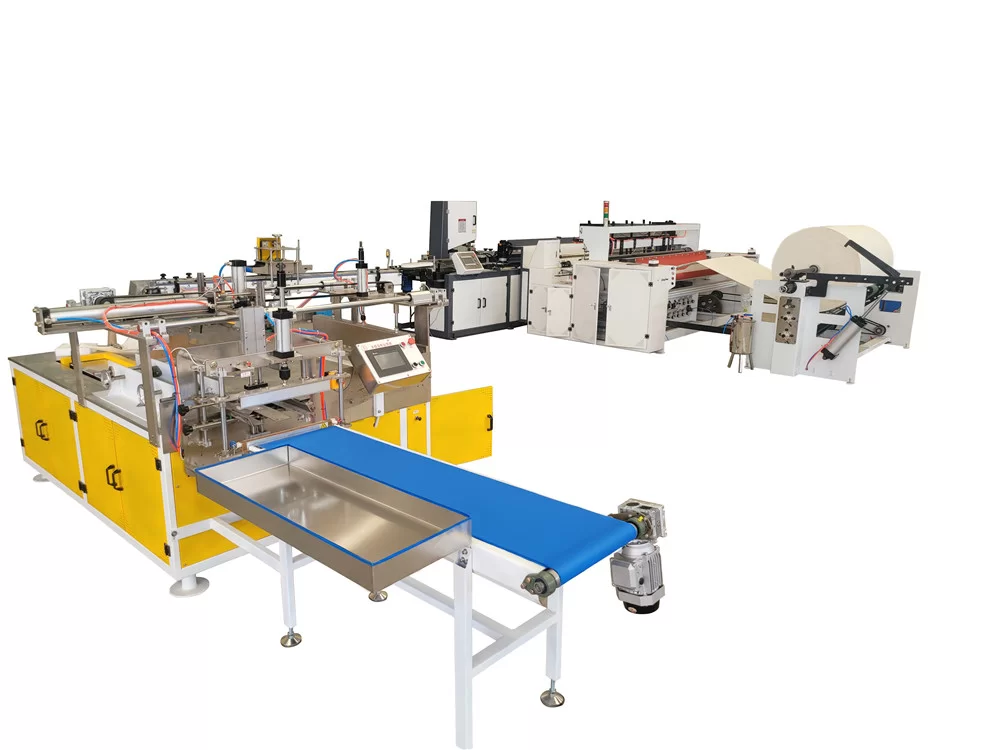
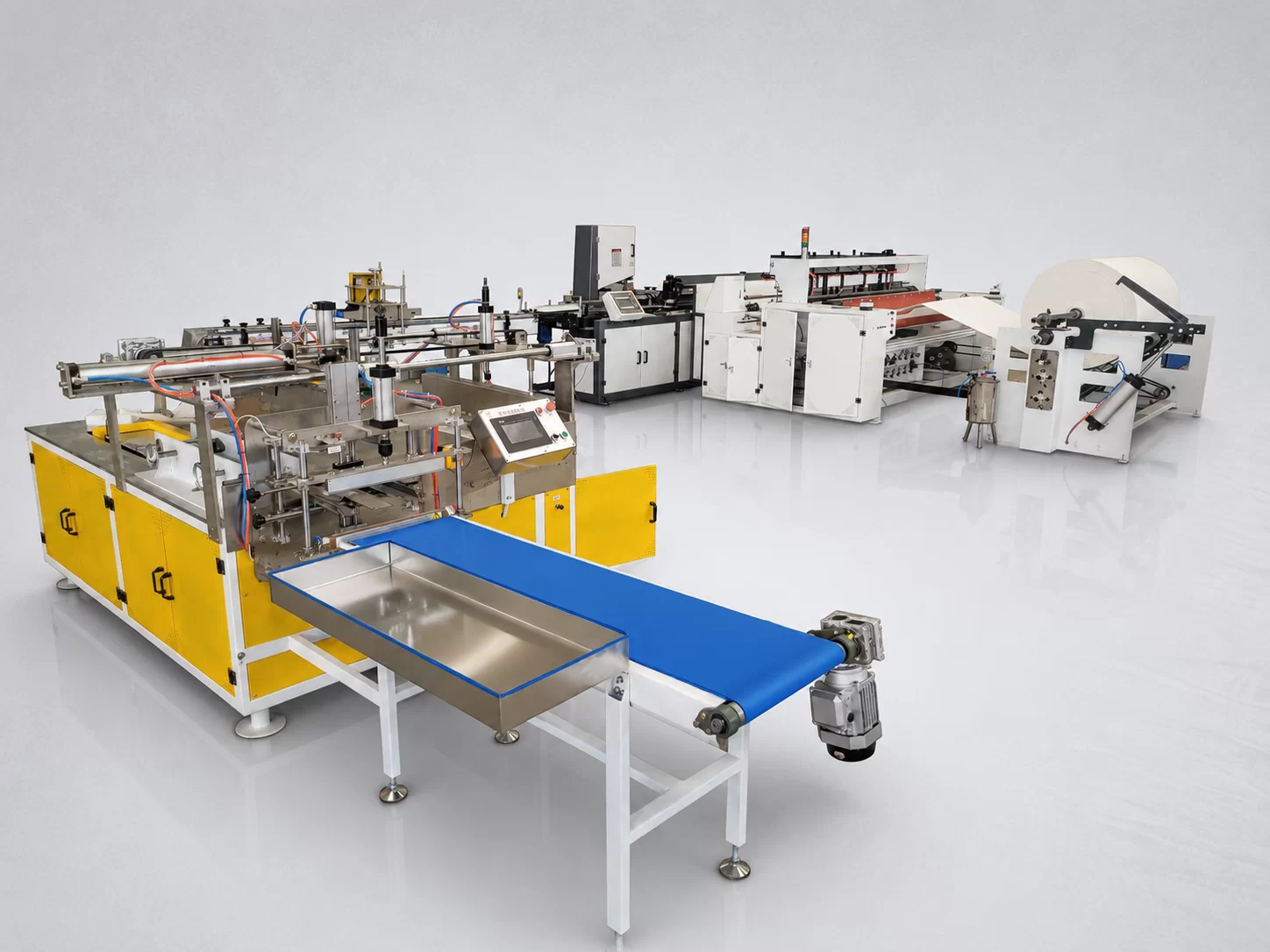
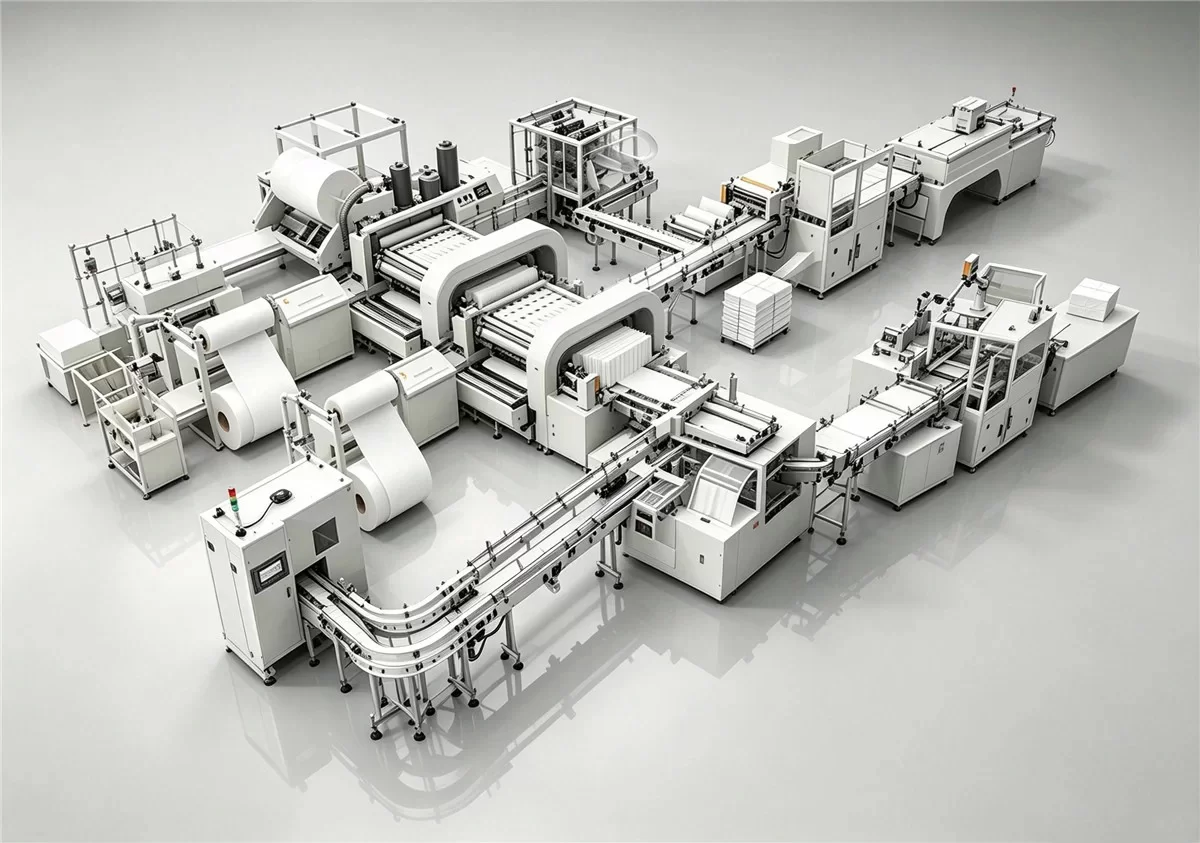
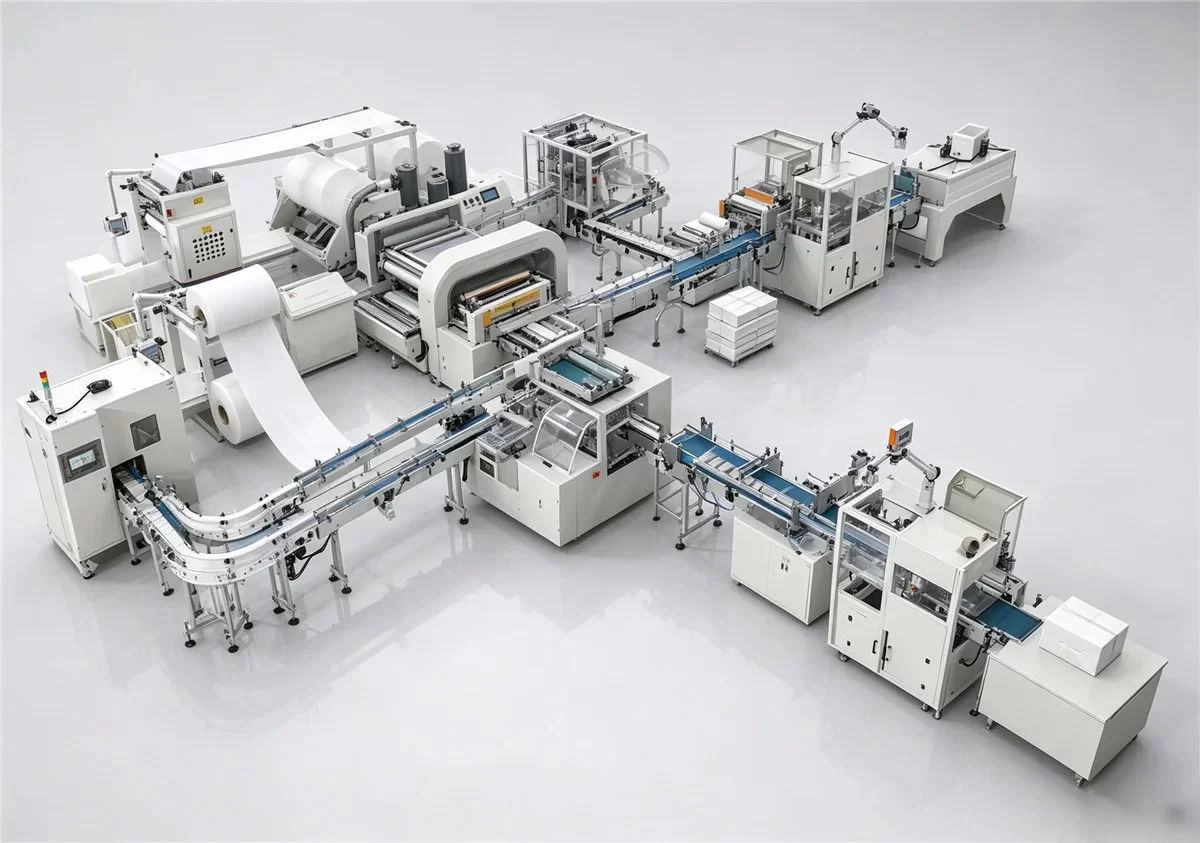
Fully Automatic Disposable Cleaning Cloth Production Line
- Operators
- 3 to 5 operators per shift
- Total Power
- 45 to 75 kW for a standard connected line; approximately 60 to 90 kW
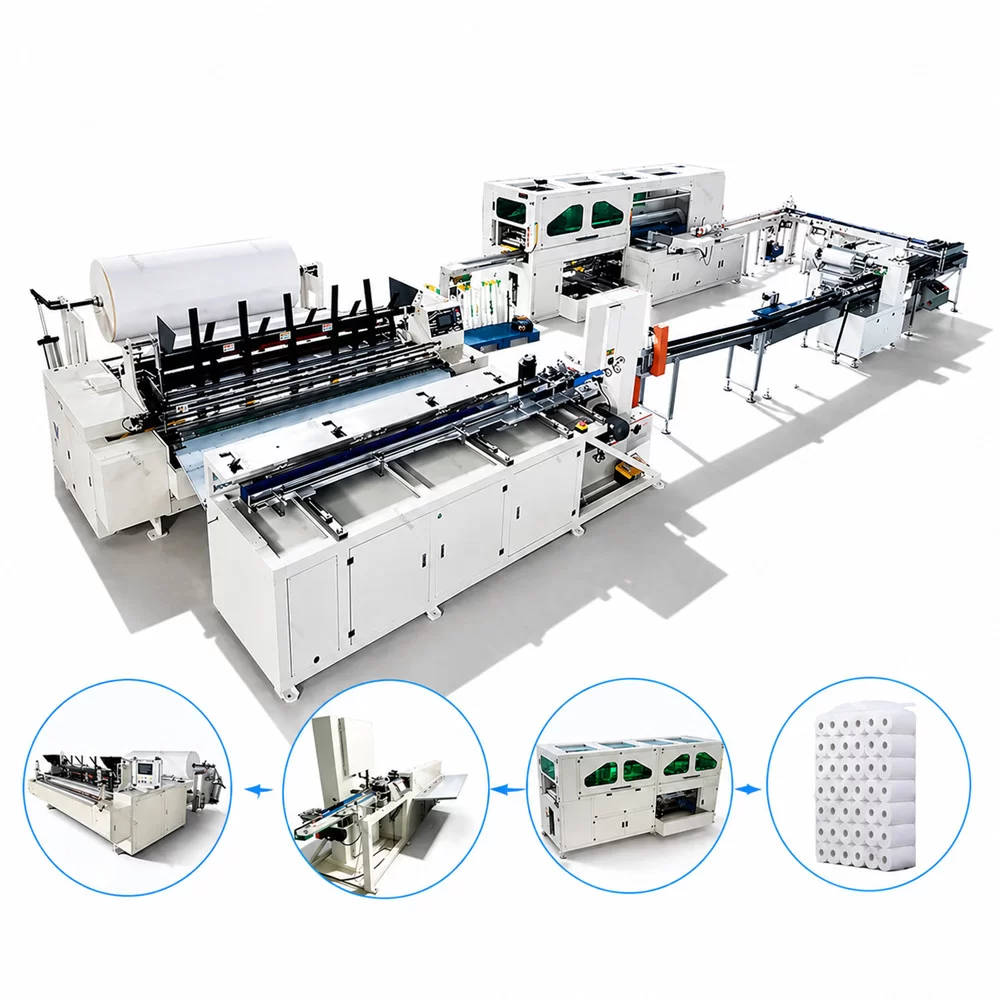
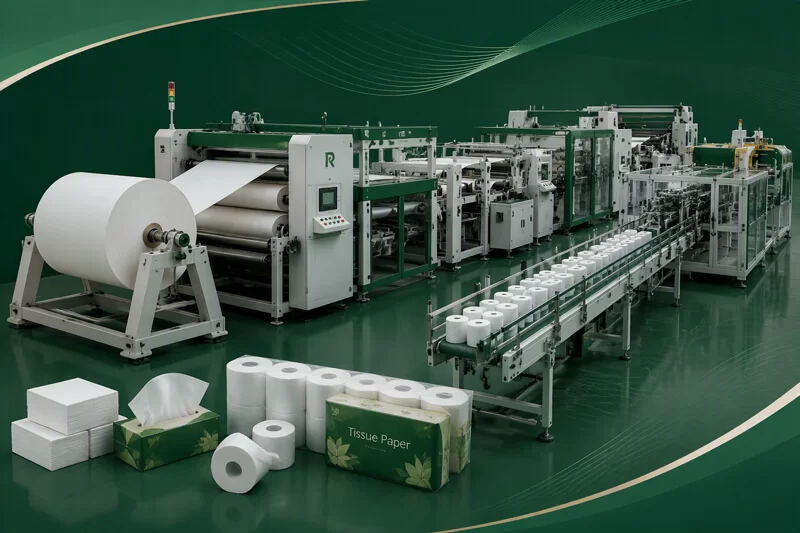
Compare tissue paper converting lines by finished product, automation, equipment scope, staffing and factory conditions for new projects or upgrades.
Each category leads to production lines designed around a specific finished product, converting method and packaging route.
1Explore toilet paper production lines by process flow, equipment scope, automation, staffing, power, workshop and packing requirements for different project stages.
View production lines →
2Explore facial tissue production lines by process flow, equipment scope, automation, staffing, power, workshop and packing requirements for different project stages.
View production lines →
3Explore kitchen towel production lines by process flow, equipment scope, automation, staffing, power, workshop and packing requirements for different project stages.
View production lines →
4Explore disposable cleaning cloth production lines by process flow, equipment scope, automation, staffing, power, workshop and packing requirements for different project stages.
View production lines →
5Explore napkin production lines by process flow, equipment scope, automation, staffing, power, workshop and packing requirements for different project stages.
View production lines →Review the finished product, automation level, output basis, operators, installed power and workshop requirement together.
1
2
3
4
5
6
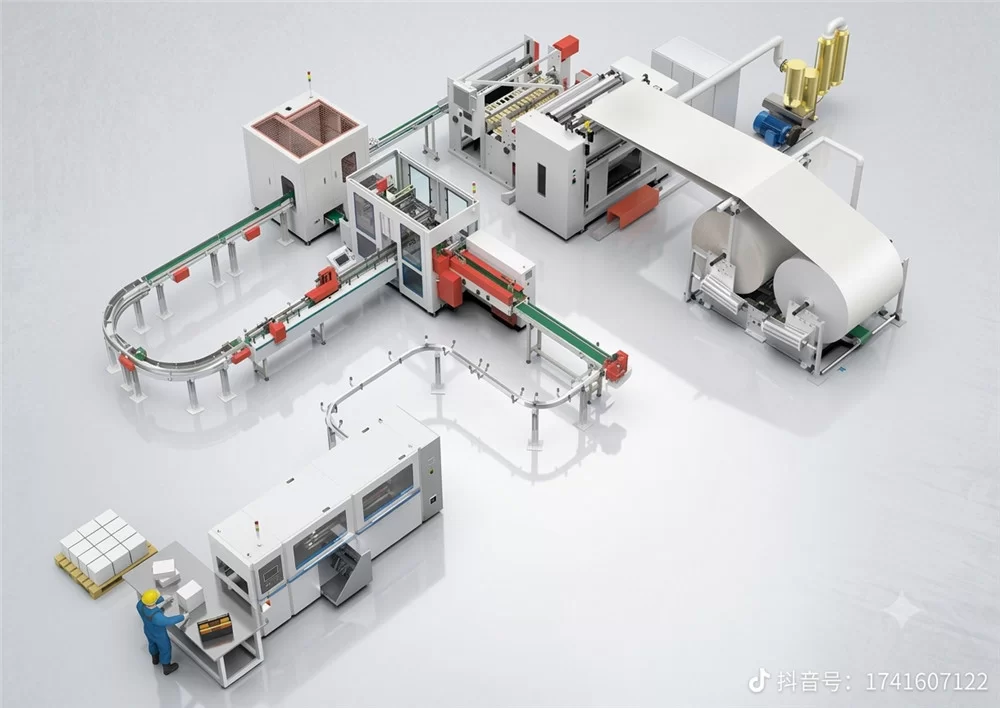
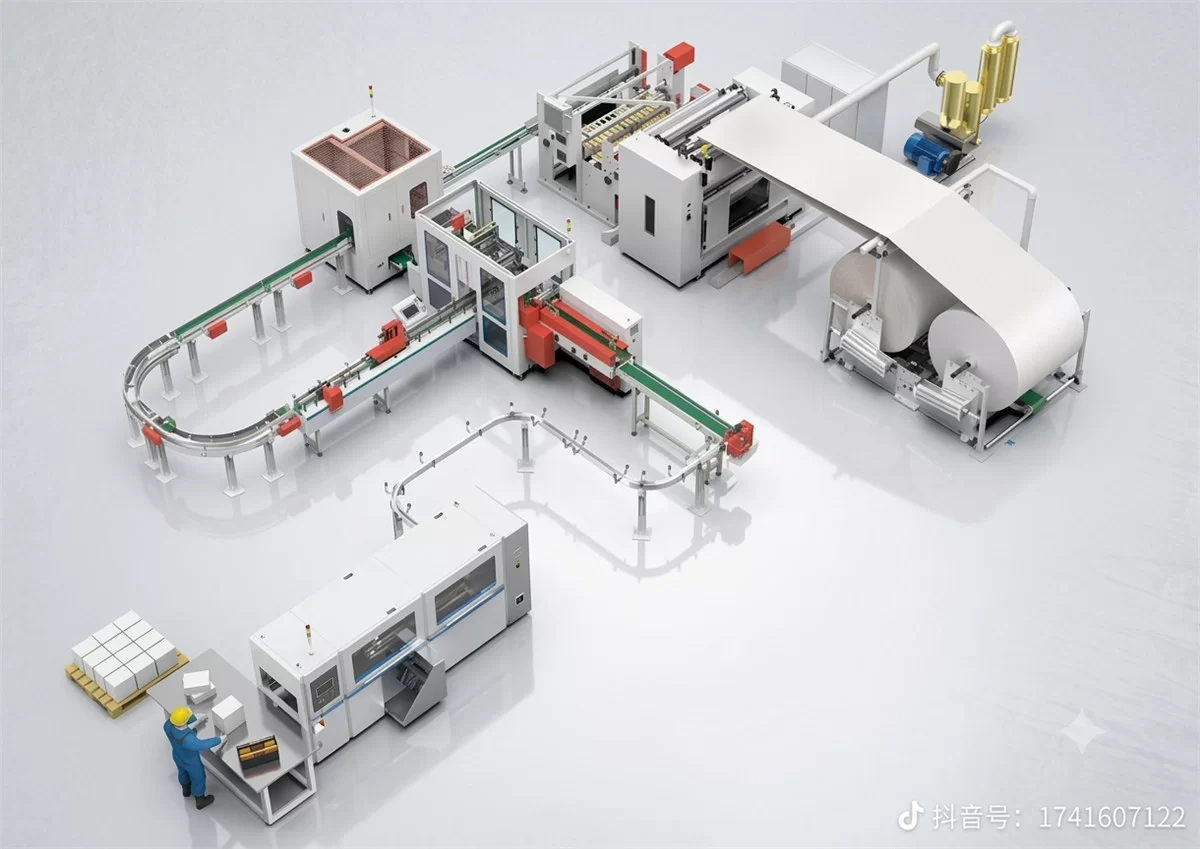
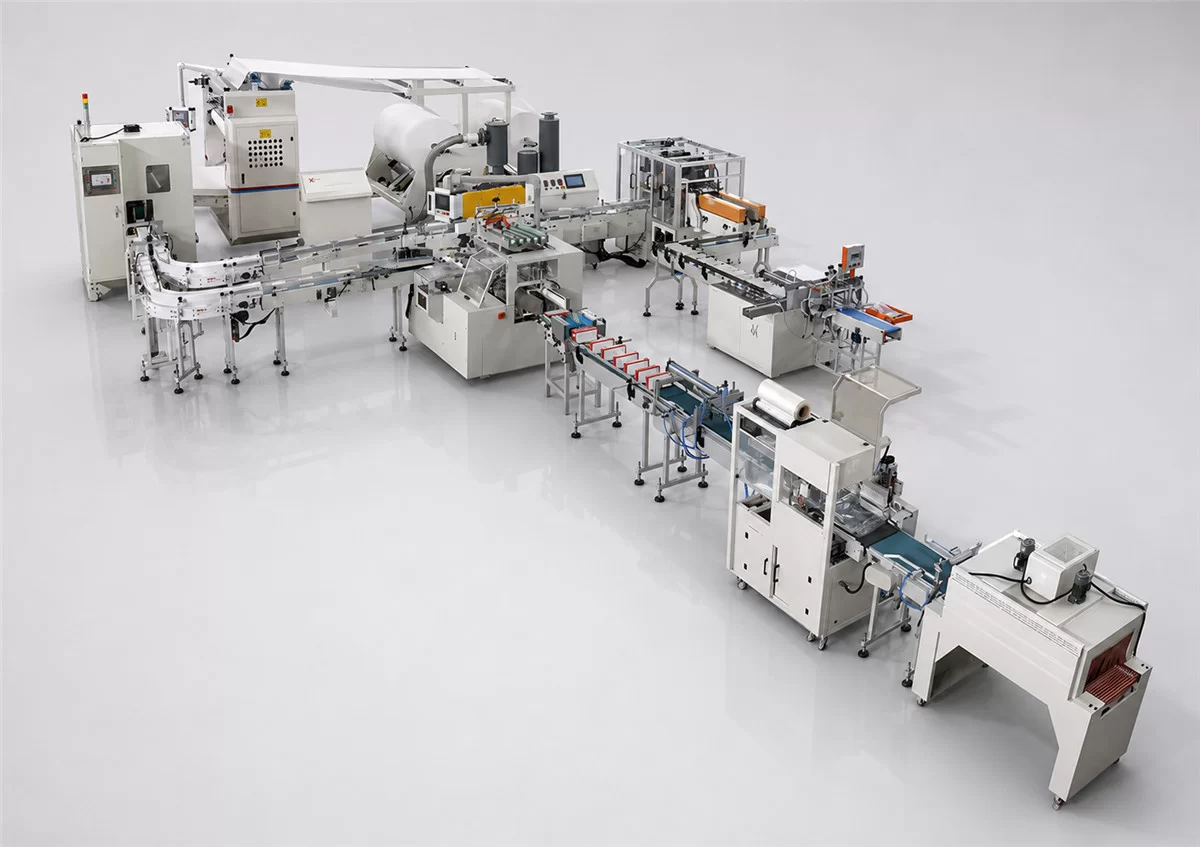
The main machine is only one part of the result. Cutting, transfer, packing and secondary handling must support the same finished-product target.
Jumbo roll loading, web guidance, tension control and material preparation.
Rewinding, interfolding, embossing, perforating, printing or sheet forming.
Log cutting, stack cutting, counting, conveying and product positioning.
Individual wrapping, multi-roll bags, soft packs, boxes or refill packs.
Bundling, case packing, carton sealing and finished-product collection.
A useful proposal connects the finished product, raw material, practical output and packaging method with the available workshop and utilities.
Send Project RequirementsThese answers explain the general production-line scope. The final configuration must still be confirmed from the actual product, raw material, output, packaging and factory conditions.
A complete line may include raw-material feeding, the main rewinding or folding machine, cutting, product transfer, primary packing and secondary handling. The exact scope depends on the finished product and which operations the factory wants to connect.
An individual machine completes one defined process. A production line combines several compatible machines and balances their working ranges, transfer direction, control sequence and practical output as one system.
No. A fully automatic line can connect the principal converting, cutting, transfer and packing stages, but operators are still required for raw-material replacement, packaging-material replenishment, inspection, changeover, cleaning, fault handling and maintenance.
Practical output should be calculated from one stated finished-product specification and the slowest connected stage. Raw material, dimensions, sheets or rolls per pack, cutting capacity, packing rhythm, changeover and normal operating conditions all affect the result.
Provide the finished-product sample or dimensions, raw-material specification, target output, packaging format, preferred automation, available operators, workshop drawing, destination voltage and utility conditions.
Leave your email address. Product, material, output, packaging, automation and factory information can be confirmed during the follow-up.