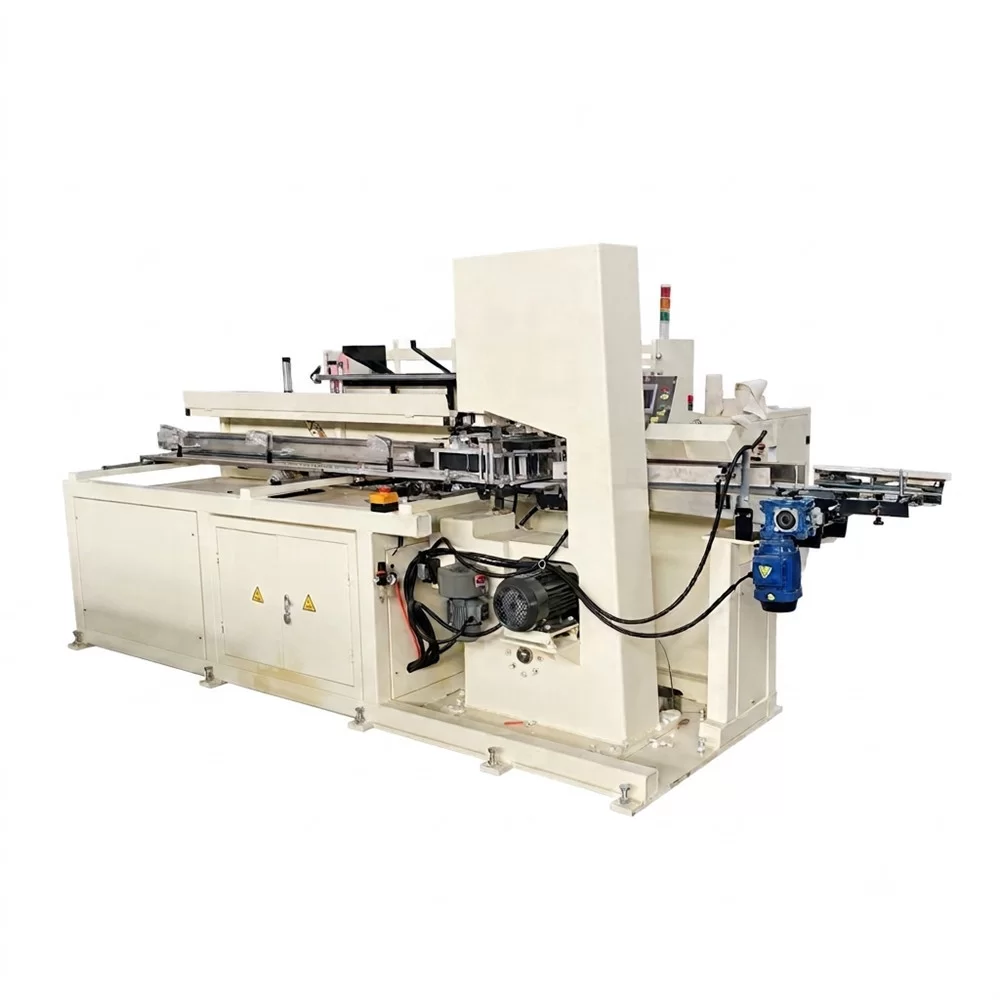
1
DT2200 Automatic High-Speed Toilet Paper Band-Saw Cutter
- Effective Width
- Cutting length 50-300 mm
- Design Speed
- Approximately 100-150 cuts/min
Browse rewinding, folding, log cutting, packing, bundling and core-making machines by finished product and production stage.
Start with the finished tissue product, then review the main converting machine, cutting method, packing equipment and supporting machines.
1Browse toilet paper machines by process stage and compare machine functions, specifications, options and interfaces with existing converting lines.
Browse machines →
2Browse facial tissue machines by process stage and compare machine functions, specifications, options and interfaces with existing converting lines.
Browse machines →
3Browse kitchen towel machines by process stage and compare machine functions, specifications, options and interfaces with existing converting lines.
Browse machines →
4Browse napkin machines by process stage and compare machine functions, specifications, options and interfaces with existing converting lines.
Browse machines →
5Browse disposable cleaning cloth machines by process stage and compare machine functions, specifications, options and interfaces with existing converting lines.
Browse machines →Shortlist by suitable products, effective width, design speed, reference output and total installed power before reviewing the full machine page.
1
2
3
4
A machine should be checked against both its own product range and the input, output and practical capacity of the equipment before and after it.
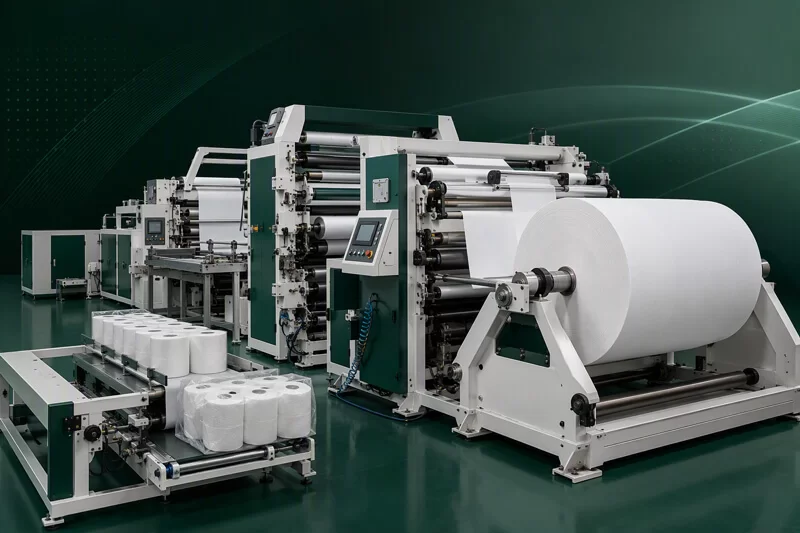
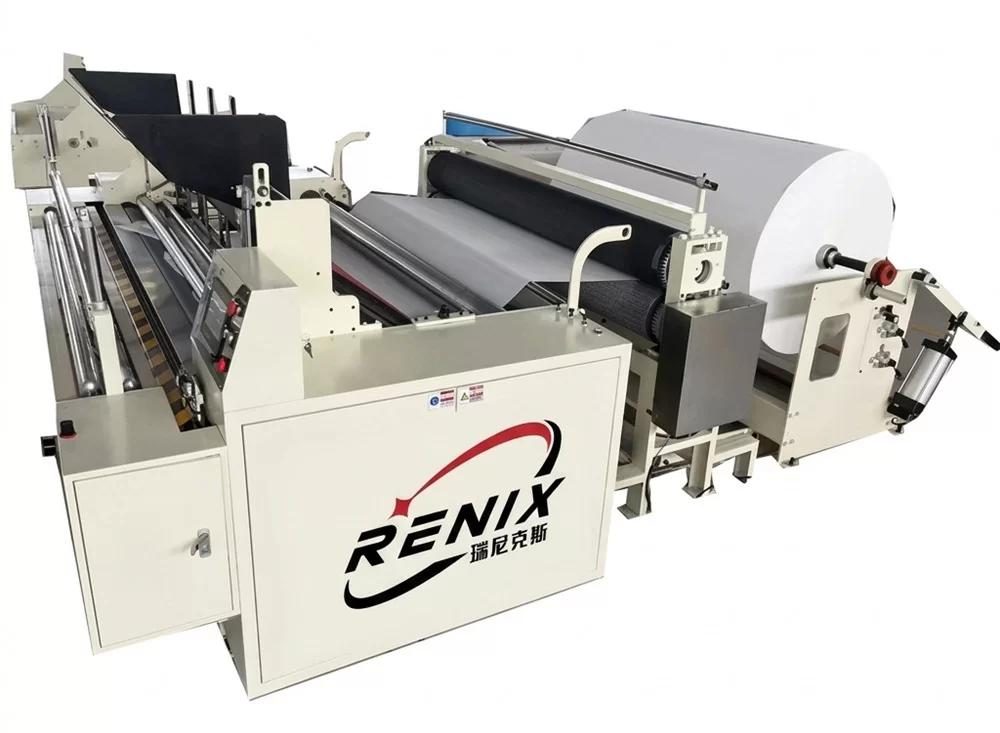
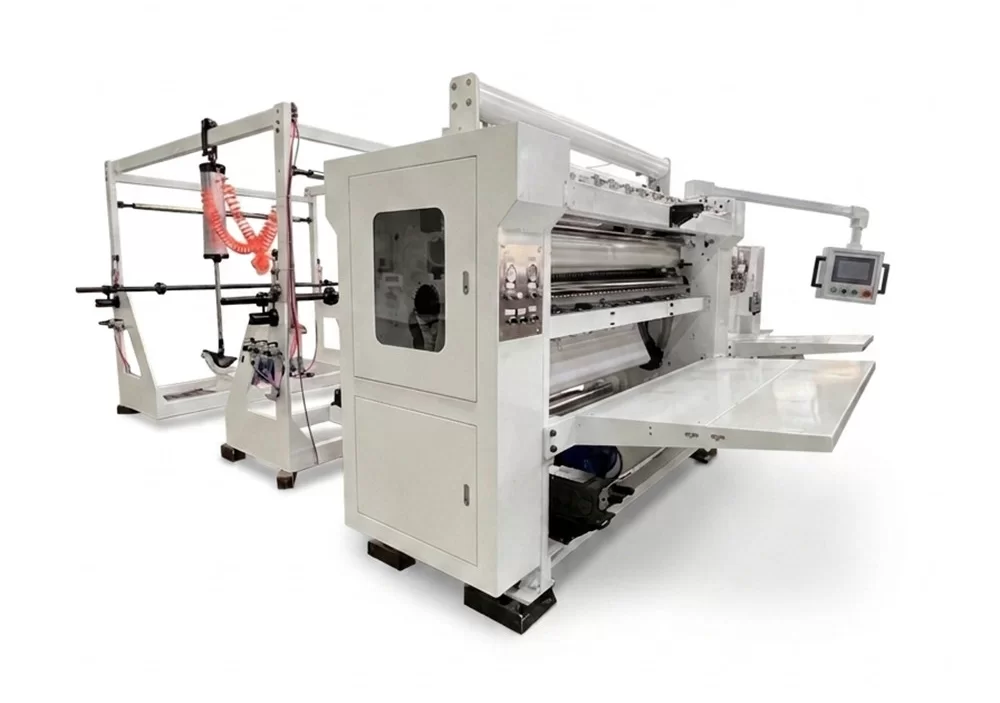
Convert jumbo tissue rolls into perforated and embossed paper logs or finished rolls.
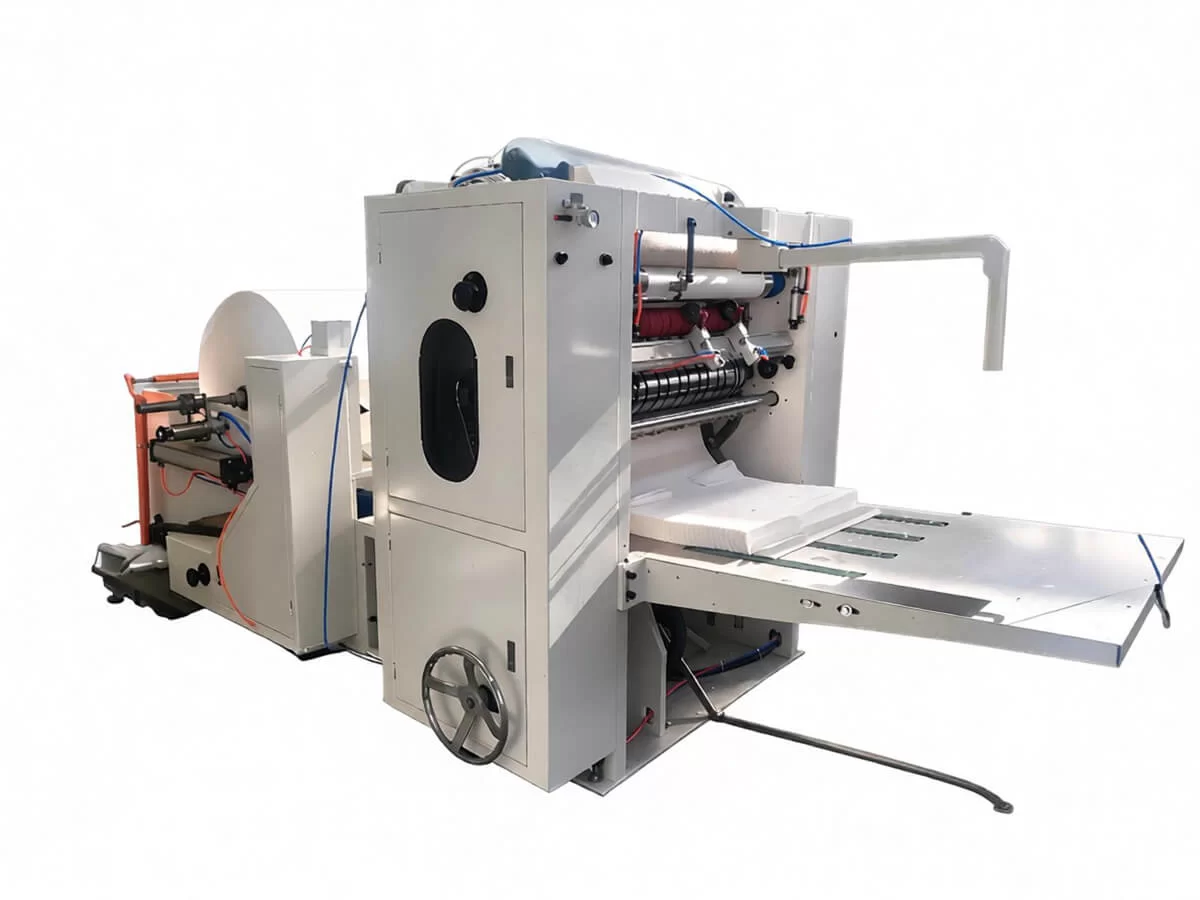
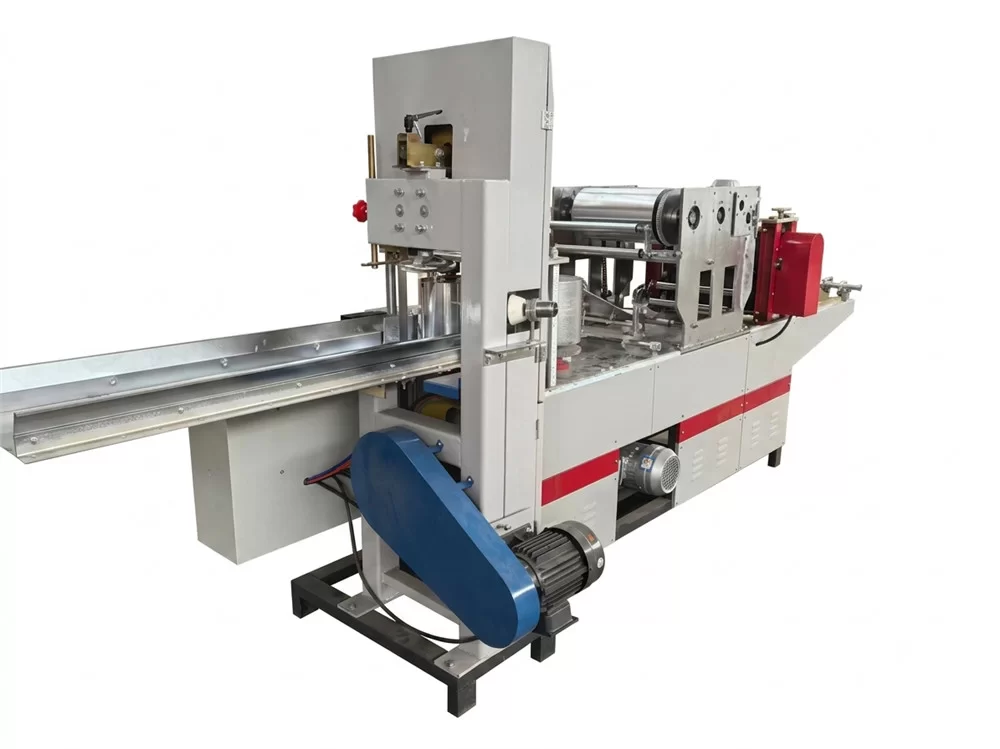
Produce interfolded facial tissue, bottom-draw tissue, napkins or folded wipes.
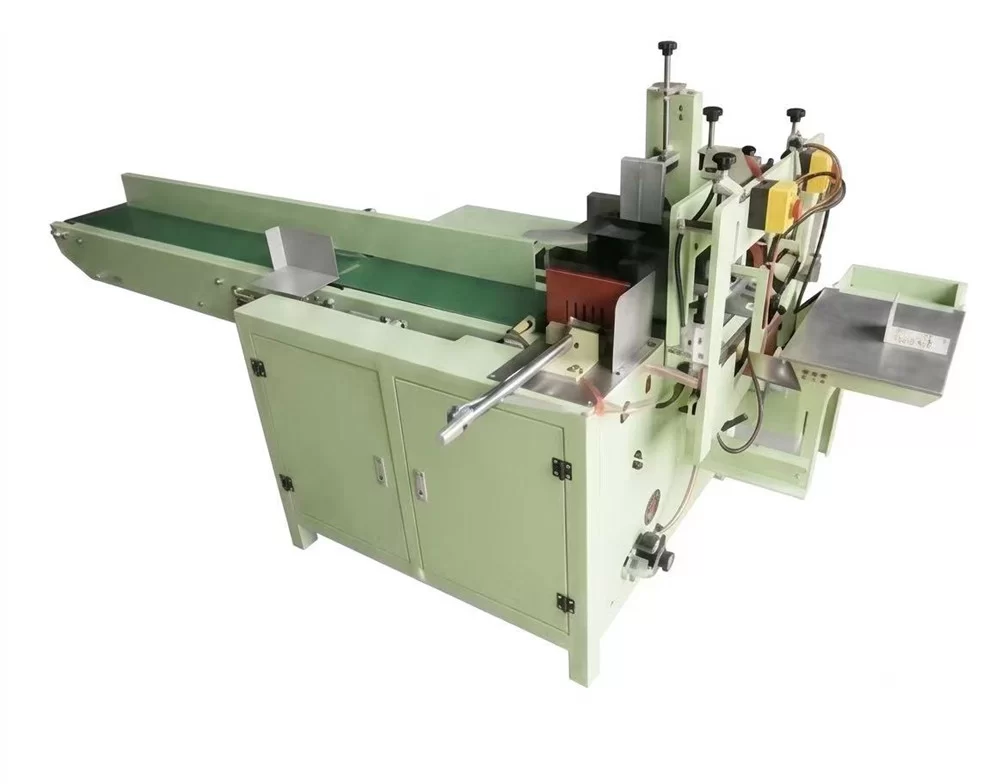
Cut toilet paper logs, tissue logs, sheets or nonwoven materials to finished size.
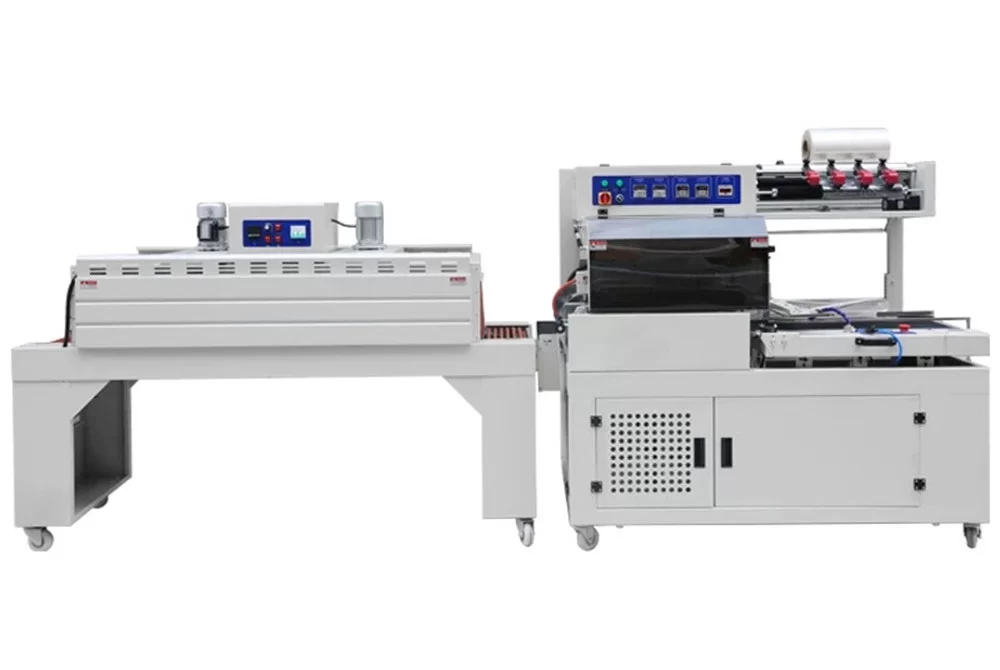
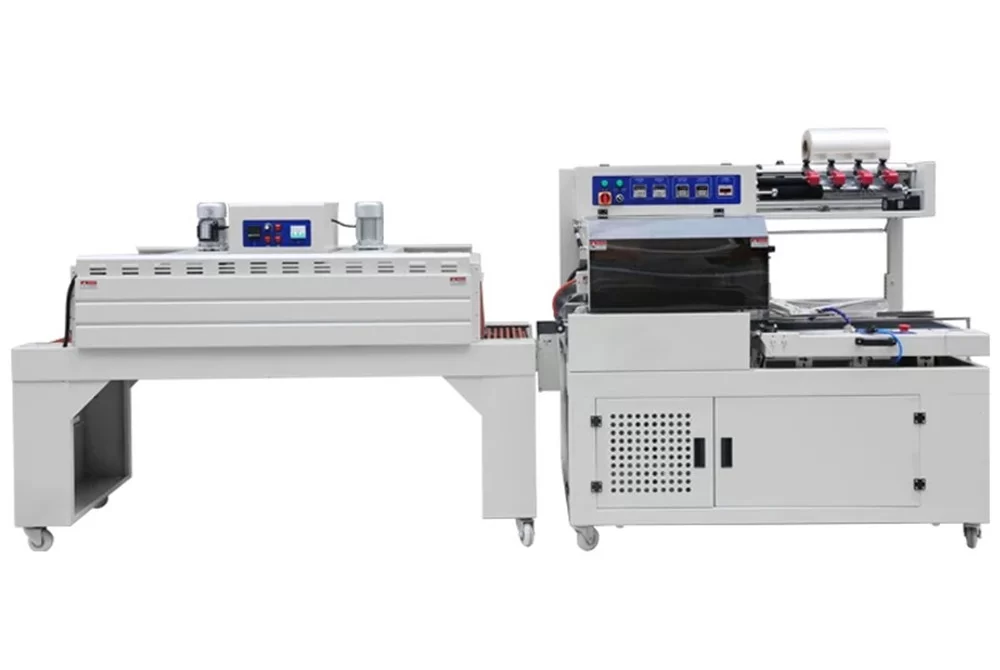
Wrap, bag or box individual products and grouped retail packs.
Core making, conveying, counting, bundling and secondary carton handling.
Published model data helps create a shortlist. Final selection should also confirm the actual raw material, product dimensions, optional functions and connected equipment.
Request Machine GuidanceThese answers explain general machine selection. The final model and functions must still be confirmed from the actual product, material, output and connected equipment.
Begin with the finished product and the process that is missing. Toilet rolls normally require rewinding, log cutting and roll packing; facial tissues require folding, tissue-log cutting and packing; napkins require printing or embossing, folding and counting. Then confirm whether the requirement is for the main converting machine, a cutter, a packer or supporting equipment.
Some machines support several sizes or related product formats within a confirmed working range. However, toilet-roll rewinding, interfolding and napkin folding use different processing principles. Product dimensions, raw material, change parts and optional functions must be checked before assuming one machine can make several products.
Confirm accepted product dimensions, practical capacity, infeed and discharge direction, working height, transfer method, electrical controls and available connection signals. Machines positioned beside each other are not automatically a connected production system.
Design speed is a machine operating reference. Reference output describes a practical result under a stated product specification and working condition. Material quality, dimensions, embossing, cutting, packing, changeover and operator preparation can all reduce the finished-product output.
An individual machine is suitable when a defined process is missing and compatible upstream or downstream equipment already exists. A complete production line is more appropriate for a new factory or when converting, cutting, transfer and packing must be planned and balanced together.
Leave your email address. Finished product, raw material, working width, output and line connection can be confirmed during the follow-up.