
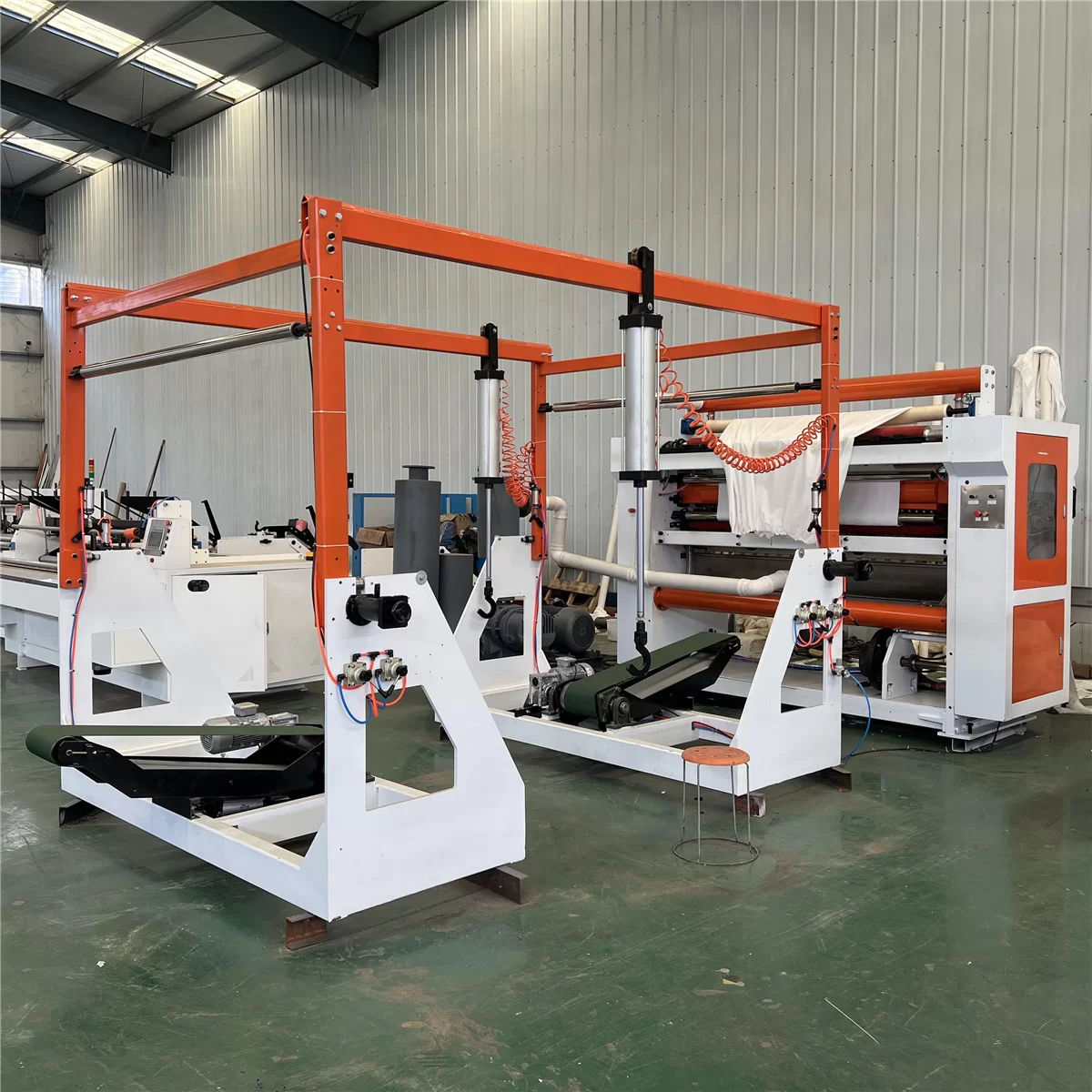
Read the guidance together with the actual finished product, raw material, target output, packaging format and factory conditions. General information does not replace model confirmation.
Preventive maintenance helps a tissue converting factory identify wear, contamination, loose connections and adjustment problems before they interrupt production.
The exact maintenance schedule should follow the machine manual and operating conditions. A machine running several shifts with dusty paper may require more frequent inspection than equipment used for shorter production periods.
Daily Inspection
Before production begins, the operator should check the general machine condition.
Daily items may include:
Air pressure
Lubrication level
Unusual noise
Loose guards
Sensor contamination
Emergency stops
Paper paths
Blade area
Conveyor condition
Visible air leaks
The operator should also remove paper dust and trim from safe, accessible areas after the machine has been stopped according to the operating procedure.
Do not use compressed air carelessly around electrical components, bearings or sensors. Dust can be forced into areas where it creates additional problems.
Lubrication
Bearings, chains, gears, guide components and other moving parts may require periodic lubrication.
Use the lubricant specified for the machine. Excessive lubrication can attract paper dust, while insufficient lubrication can increase heat and wear.
Maintenance records should identify:
Lubrication point
Lubricant type
Quantity
Service interval
Date completed
Responsible person
Do not lubricate moving parts while the machine is operating unless the maintenance instructions specifically provide a safe method.
Belts, Chains and Transmission
Inspect transmission components for:
Wear
Cracks
Loose tension
Misalignment
Damaged teeth
Unusual vibration
Accumulated dust
A loose belt or chain may affect timing and product consistency before it causes a complete machine stop.
After adjustment or replacement, check the movement direction and clearance before returning the machine to normal production.
Sensors and Detection Devices
Tissue machines use sensors to detect paper, products, machine position, packaging film and safety conditions.
Clean sensors carefully and check:
Mounting position
Detection distance
Loose cables
Damaged brackets
Unstable signals
Product interference
Do not reposition a sensor without understanding its role in the machine sequence. A small change may cause incorrect timing or repeated alarms.
Pneumatic System
Inspect pneumatic tubes, connectors, valves and cylinders for leakage or damage.
Common signs of a pneumatic problem include:
Slow cylinder movement
Incomplete clamping
Irregular product transfer
Repeated pressure alarms
Increased compressor operation
Audible air leakage
Drain and maintain the air-treatment components according to the system requirements. Poor compressed-air quality can affect valves and cylinders.
Blades and Cutting Equipment
Log saws, band saws, slitting units and cross-cutting systems require careful blade inspection.
Check:
Blade sharpness
Blade tension
Surface damage
Cutting debris
Guarding
Clamping components
Finished cut appearance
A deteriorating blade may create torn edges, compressed products or inconsistent cuts before it fails completely.
Blade replacement should be carried out by trained personnel using the correct locking and safety procedure.
Embossing and Folding Components
Embossing rollers should be checked for paper buildup, surface damage, pressure consistency and alignment.
Folding components should be inspected for:
Paper residue
Wear
Loose fasteners
Vacuum blockage
Incorrect clearance
Surface damage
Cleaning methods should not damage roller patterns or precision surfaces.
Electrical Cabinet
Electrical cabinets should remain closed during normal production and should only be inspected by qualified personnel.
Inspection may include:
Cooling fans
Filters
Loose terminals
Discoloration
Unusual smell
Excessive heat
Cable condition
Drive alarms
Power must be isolated according to the required safety procedure before internal maintenance is carried out.
Safety Devices
Emergency stops, guard switches, interlocks and warning devices should be checked regularly.
Never bypass a safety device to maintain production. A repeated safety alarm indicates that the underlying cause should be inspected.
After maintenance, confirm that guards have been reinstalled and tools or spare parts have been removed from the machine.
Weekly and Monthly Maintenance
Weekly work may include deeper cleaning, chain and belt inspection, pneumatic leakage checks and review of repeated alarms.
Monthly work may include:
Electrical cabinet filter cleaning
Fastener inspection
Motor and bearing observation
Blade and cutting-system review
Conveyor alignment
Safety-device testing
Spare-parts inventory
Maintenance-record review
The actual interval should reflect operating hours and the machine manufacturer’s instructions.
Keep Useful Maintenance Records
A maintenance record should identify:
Machine name
Date
Operating hours
Inspected component
Observed condition
Adjustment or replacement
Spare part used
Person responsible
Follow-up requirement
Repeated failures should be investigated rather than treated as unrelated events.
Combine Maintenance with Product Quality
Changes in finished products can provide early signs of equipment problems.
Examples include:
Uneven roll diameter
Misaligned folding
Poor perforation
Irregular embossing
Inconsistent cutting
Unstable sealing
Product-transfer jams
Recording the relationship between product defects and machine condition can help maintenance personnel locate the cause more efficiently.
Preventive maintenance is most effective when operators and technicians share information. Operators observe the machine during production, while maintenance personnel provide the inspection and repair knowledge needed to keep the equipment operating safely and consistently.
This resource is prepared as practical machinery and production guidance. Technical values should be checked against the confirmed equipment configuration.