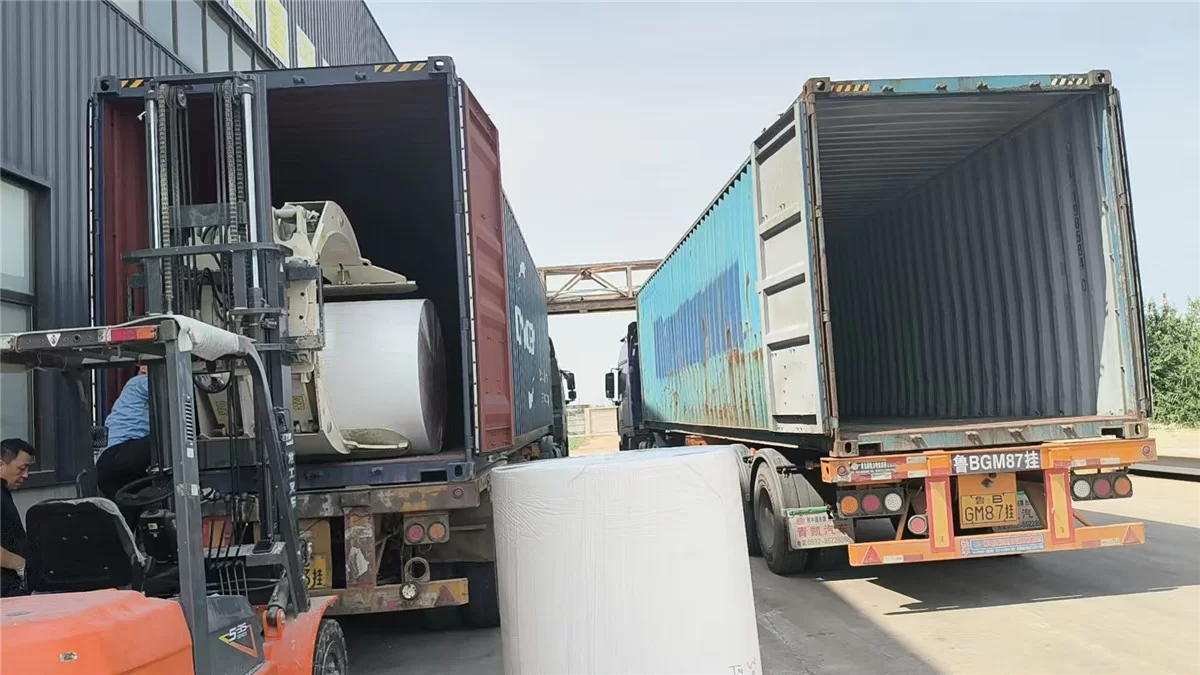
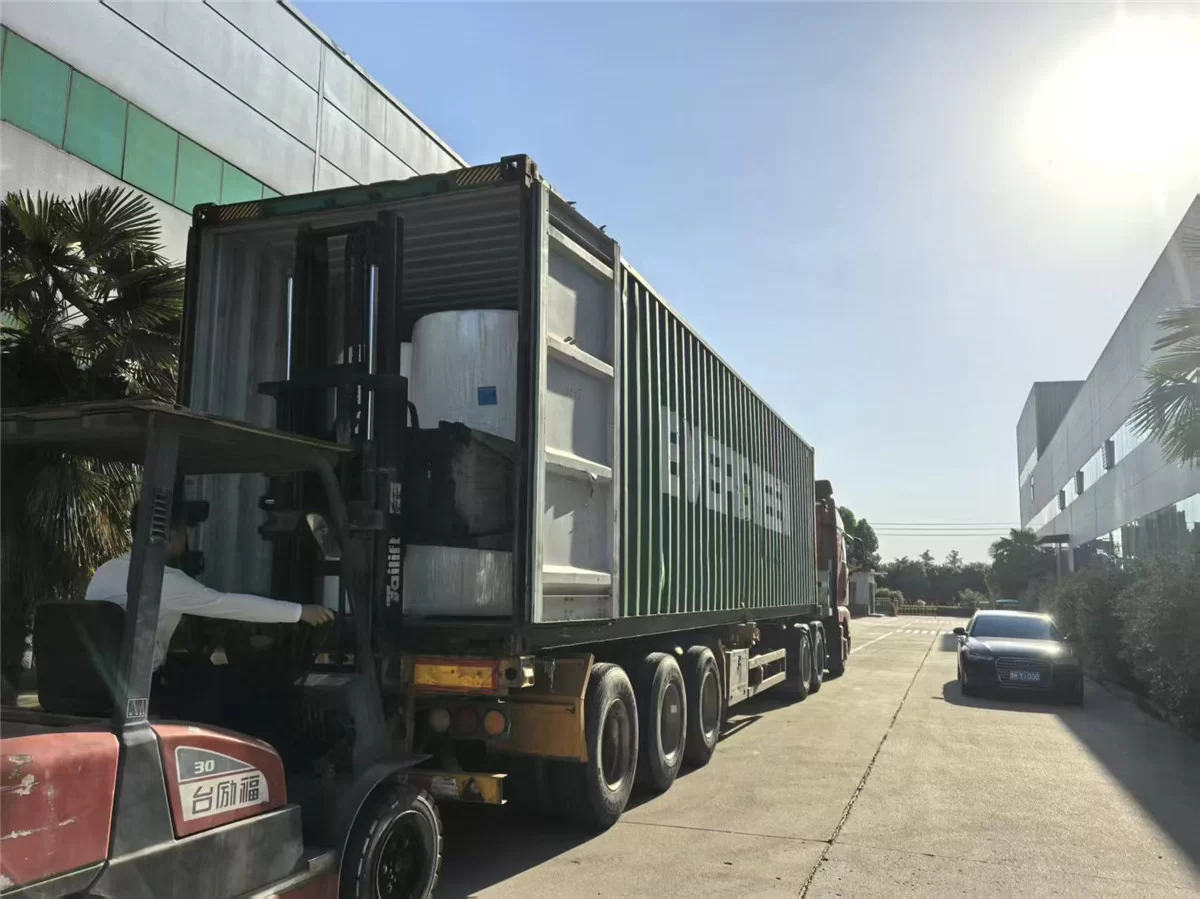
Read the guidance together with the actual finished product, raw material, target output, packaging format and factory conditions. General information does not replace model confirmation.
The maximum speed of the principal converting machine does not automatically represent the finished-product output of a complete tissue production line.
Rewinding or folding is only one production stage. Cutting, transfer, counting and packaging must process the same product at compatible practical capacities.
If one downstream stage operates more slowly than the main machine, products begin to accumulate. The line may then stop repeatedly, operate below its expected speed or require additional manual handling.
Design Speed and Practical Output Are Different
Design speed describes a machine’s mechanical capability under specified conditions. Practical output reflects normal operation with the selected raw material, finished-product specification, operators and packaging format.
Practical output can be reduced by:
Jumbo roll replacement
Paper breaks and web adjustment
Embossing or lamination requirements
Product specification changes
Blade inspection and replacement
Packaging material replenishment
Quality inspection
Short equipment stops
A realistic proposal should state the product specification used for the capacity calculation. One maximum-speed figure has limited value when the roll size, sheet count, material and pack format are not defined.
Cutting Capacity Must Match the Main Machine
In toilet paper production, the rewinder produces long paper logs. These logs must be transferred and cut into finished rolls before packaging.
A high-output rewinder connected to a manually fed band saw cannot normally maintain the same practical output as a line using a log accumulator and automatic log saw.
Factories comparing toilet paper machines should review the rewinder and cutting equipment as connected processes rather than unrelated purchases.
Cutting capacity is affected by finished-roll width, log diameter, number of cutting channels, blade condition, product feeding and waste-end settings.
Folded Tissue Requires Balanced Cutting Channels
Facial tissue machines form long folded tissue stacks that must be divided into individual packs. Total output depends on the number of folding lanes, cutting channels and packing machines.
A multi-lane folding machine may require automatic product distribution, accumulation and several packing channels. If the cutter or packing section cannot receive the folding-machine output, the complete line must operate at a lower speed.
Packaging Often Becomes the Final Bottleneck
Packing speed changes with product dimensions and pack arrangement. A machine packing four toilet rolls per bag does not necessarily maintain the same packs-per-minute output when changed to a twelve-roll format.
The packing section should be evaluated according to:
Finished-product dimensions
Number of products per pack
Pack arrangement
Film or bag quality
Sealing time
Product feeding stability
Secondary packing requirements
Paper napkin machines also demonstrate the difference between machine output and packed output. Printing and folding may run continuously, while counting, stack transfer and packaging determine the number of finished packs.
Accumulation Helps Manage Short Interruptions
Accumulation systems create temporary buffers between connected machines. A log accumulator between a rewinder and cutter, or a product buffer before a packing machine, can prevent every short downstream interruption from stopping the entire line.
Accumulation does not increase the actual capacity of a slow machine. Its purpose is to absorb short differences in operating rhythm and support more stable line control.
How to Calculate a Useful Output Range
A practical capacity calculation should include:
The weight or dimensions of one finished product
The normal speed of the principal converting machine
The cutting capacity under the selected product size
The number of products in each package
The practical speed of the packing equipment
Expected operating efficiency during a normal shift
The lowest sustainable capacity among these stages becomes the effective output limit of the connected production line.
Review the Complete Process Before Ordering
Before confirming equipment, ask the supplier to explain the expected capacity at each main stage.
The proposal should identify the converting capacity, cutting rhythm, conveyor arrangement, packing output and operations that still require personnel.
This provides a more realistic basis for comparing production lines and reduces the risk of purchasing one high-speed machine surrounded by slower supporting equipment.
This resource is prepared as practical machinery and production guidance. Technical values should be checked against the confirmed equipment configuration.