Read the guidance together with the actual finished product, raw material, target output, packaging format and factory conditions. General information does not replace model confirmation.
A tissue production line should be selected from the finished product backward. Two factories may use similar raw paper, but differences in roll diameter, sheet dimensions, folding method, embossing and packaging can result in completely different equipment configurations.
Starting with a general machine name often leads to an incomplete comparison. Before reviewing speed or price, the factory should define the finished format, normal product range and required retail package.
Roll Products and Folded Products Require Different Processes
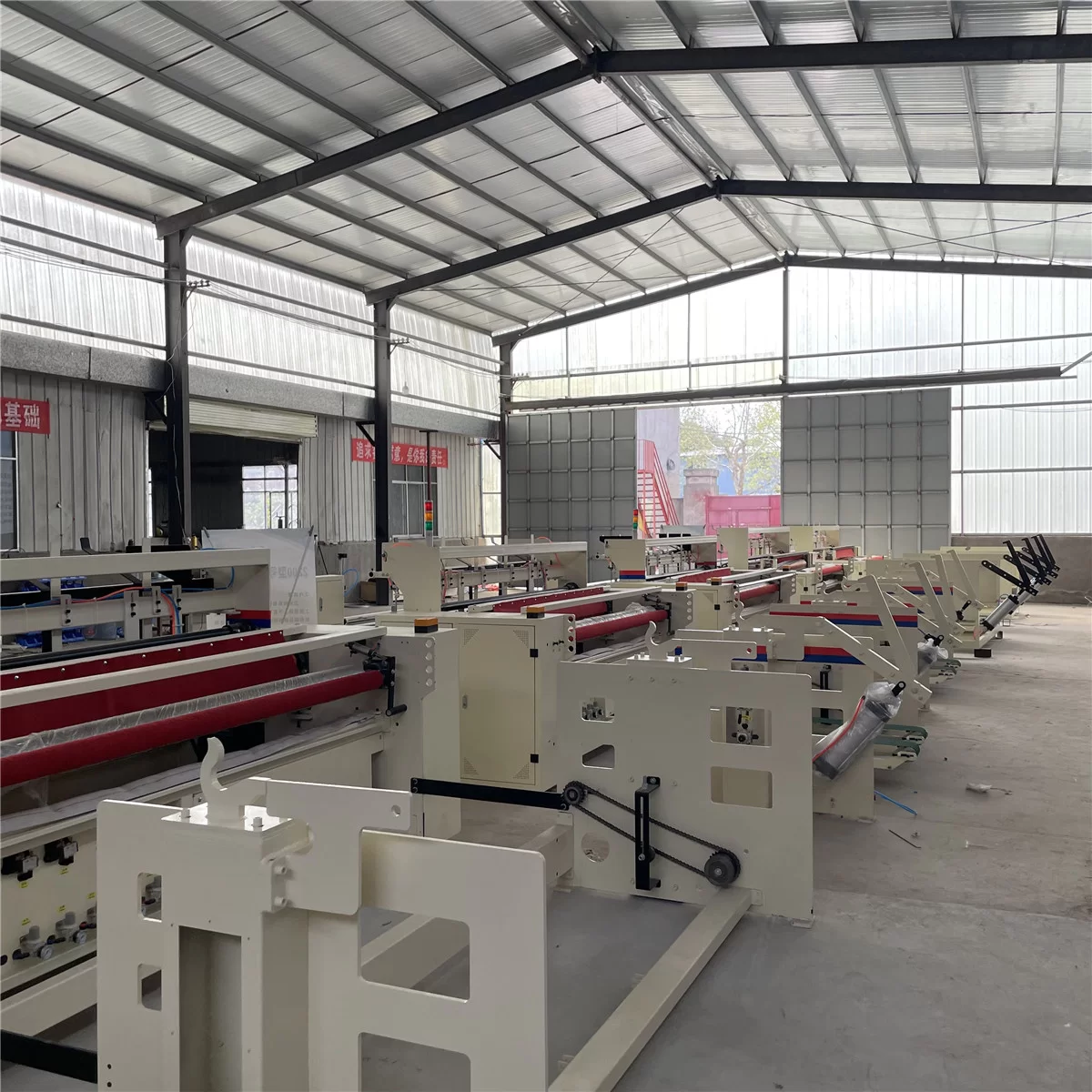
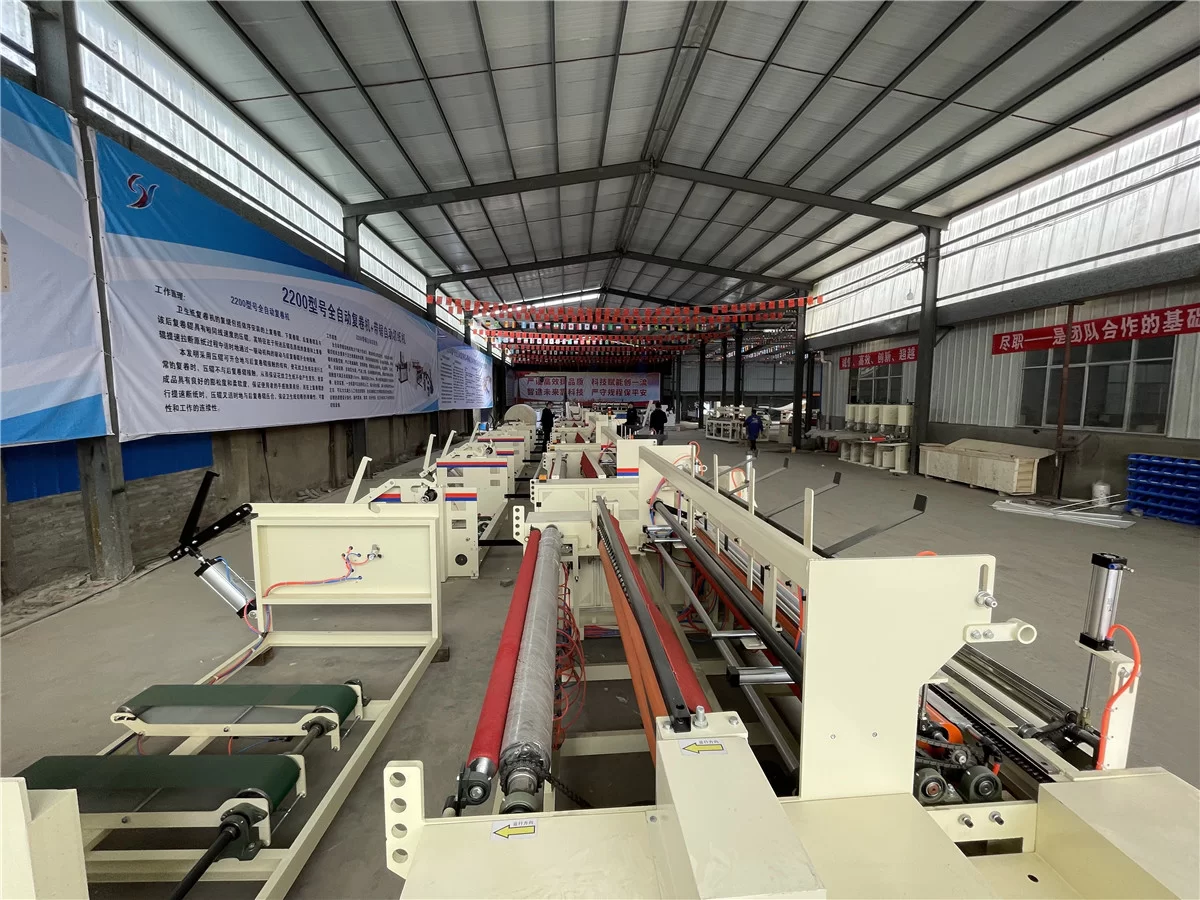
Roll products normally pass through unwinding, embossing, perforating, rewinding, log cutting and roll packing. Folded products use a different route that may include web separation, embossing, interfolding, tissue log cutting, counting and soft-pack or box packing.
A toilet paper production line is configured around roll diameter, roll width, sheet count, core size and the number of rolls in each pack. These values affect the rewinder, cutting equipment, conveyor arrangement and packing machine.
A facial tissue production line must consider unfolded sheet dimensions, folded size, number of plies, sheets per pack and package height. The folding lanes, tissue log cutter and packing channels should operate at compatible capacities.
Kitchen Towel Requires More Than a Wider Toilet Roll
Kitchen towel and toilet paper can both use rewinding processes, but they should not automatically use the same equipment configuration. Kitchen towels commonly have larger sheet dimensions, stronger raw paper, deeper embossing and heavier finished rolls.
A kitchen towel production line may require more stable tension control, glue lamination, suitable embossing structures and cutting equipment designed for wider finished rolls. The packing section must also match individual, twin-roll or other confirmed formats.
Material Structure Affects Machine Selection
The factory should provide the jumbo roll width, diameter, core size, basis weight, number of plies, tensile strength and normal moisture condition.
These material properties affect web tension, embossing pressure, perforation quality, cutting stability and practical production speed.
One machine should not be assumed to process every paper or nonwoven material effectively. Thin tissue paper, high-strength kitchen paper and nonwoven cleaning materials may require different feeding, cutting and tension-control structures.
Packaging Must Be Confirmed Early
Packaging is part of the production process, not a decision that should be postponed until the main converting machine has been selected.
The factory should confirm:
Individual or multi-piece packaging
Number of products in each retail pack
Film, bag or carton dimensions
Printed or transparent packaging material
Secondary bundle or carton requirements
Required packs per minute
A converting machine may have sufficient capacity while an unsuitable packing machine limits the output of the complete line. Practical line capacity should therefore be calculated from the slowest connected production stage.
Information to Prepare Before Comparing Configurations
Before requesting a production line proposal, prepare the following information:
Finished product sample or drawing
Finished dimensions and weight
Paper basis weight and number of plies
Jumbo roll width and diameter
Required output per shift
Retail and secondary packaging formats
Available operators
Workshop dimensions
Voltage, frequency and compressed-air conditions
Existing equipment that must remain in use
Configuration Should Follow the Product
The correct production line is not necessarily the machine with the highest design speed or the largest number of automatic functions.
A workable configuration connects the required converting, cutting, conveying and packing processes around one defined finished product and practical output.
Clear product information makes it easier to select the necessary equipment without adding functions that increase investment but provide little value for the intended production process.
This resource is prepared as practical machinery and production guidance. Technical values should be checked against the confirmed equipment configuration.