Read the guidance together with the actual finished product, raw material, target output, packaging format and factory conditions. General information does not replace model confirmation.
Two tissue machine quotations can look similar on the first page and still represent very different projects. Both may mention automatic operation, high production speed and complete technical support, but the actual equipment scope, working conditions and supplier responsibilities may not be the same.
A useful comparison should therefore begin with the production requirement rather than the final price. Before deciding which quotation is more competitive, confirm what product the line must make, what material will be used and which production steps are included.
Start with the finished product
The finished product determines the machine configuration.
For toilet paper production, important information may include:
Finished roll diameter
Roll width
Core diameter
Number of perforation sheets
Embossing pattern
Tail sealing requirement
Packing format
For facial tissue production, the comparison may involve:
Folded sheet size
Number of lanes
Sheet count per pack
Folding type
Transfer method
Bagging or boxing format
A quotation based on an incomplete product specification may use a standard configuration that does not match the actual sales format. Correcting the configuration after the order can increase cost and delay production.
The first comparison question should be simple:
Can every supplier confirm that the proposed line makes the same finished product?
Separate design speed from practical output
Machine speed is often the most visible number in a quotation, but it should not be reviewed alone.
A quoted speed may describe:
Maximum mechanical speed
Recommended continuous speed
Output under a specified raw material
Output before cutting or packing
Output for one particular product size
These are not interchangeable.
For example, a rewinding machine may operate quickly, but total production can still be limited by log cutting, manual transfer or packing. A facial tissue folder may have a high folding capacity, while the downstream bagging process requires more operators than expected.
Ask each supplier to state:
The basis used to calculate output
The raw material specification
The finished product dimensions
The continuous working speed
The expected output of the complete line
The process most likely to limit production
This makes the comparison more realistic than using one headline speed.
Chinese image suggestion: Place a quotation comparison sheet or equipment control panel image here.
Check what is included in the quoted scope
The same equipment name can cover different supply scopes. One supplier may include the main machine only, while another includes auxiliary equipment, conveyors, electrical cabinets and standard spare parts.
Divide each quotation into clear sections:
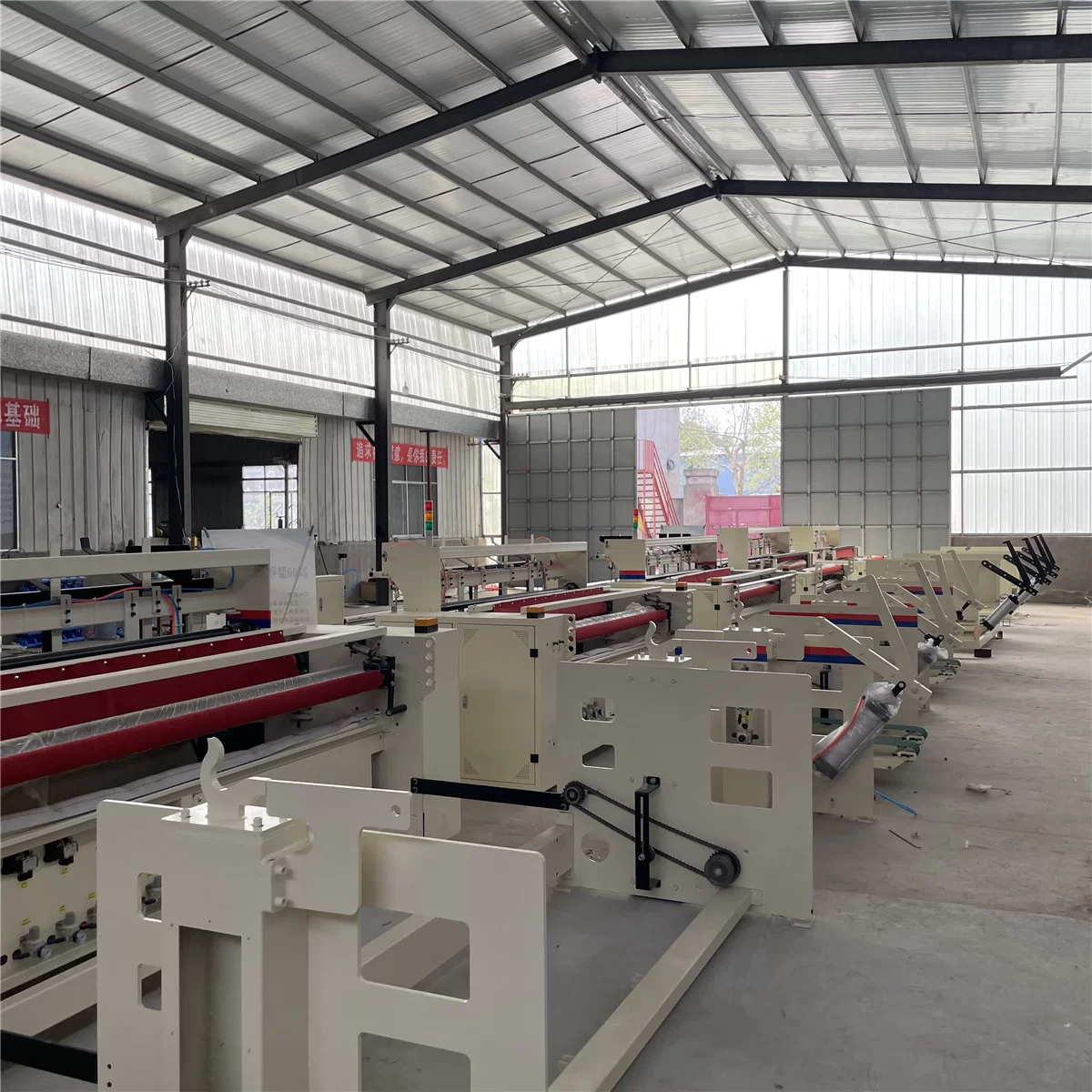
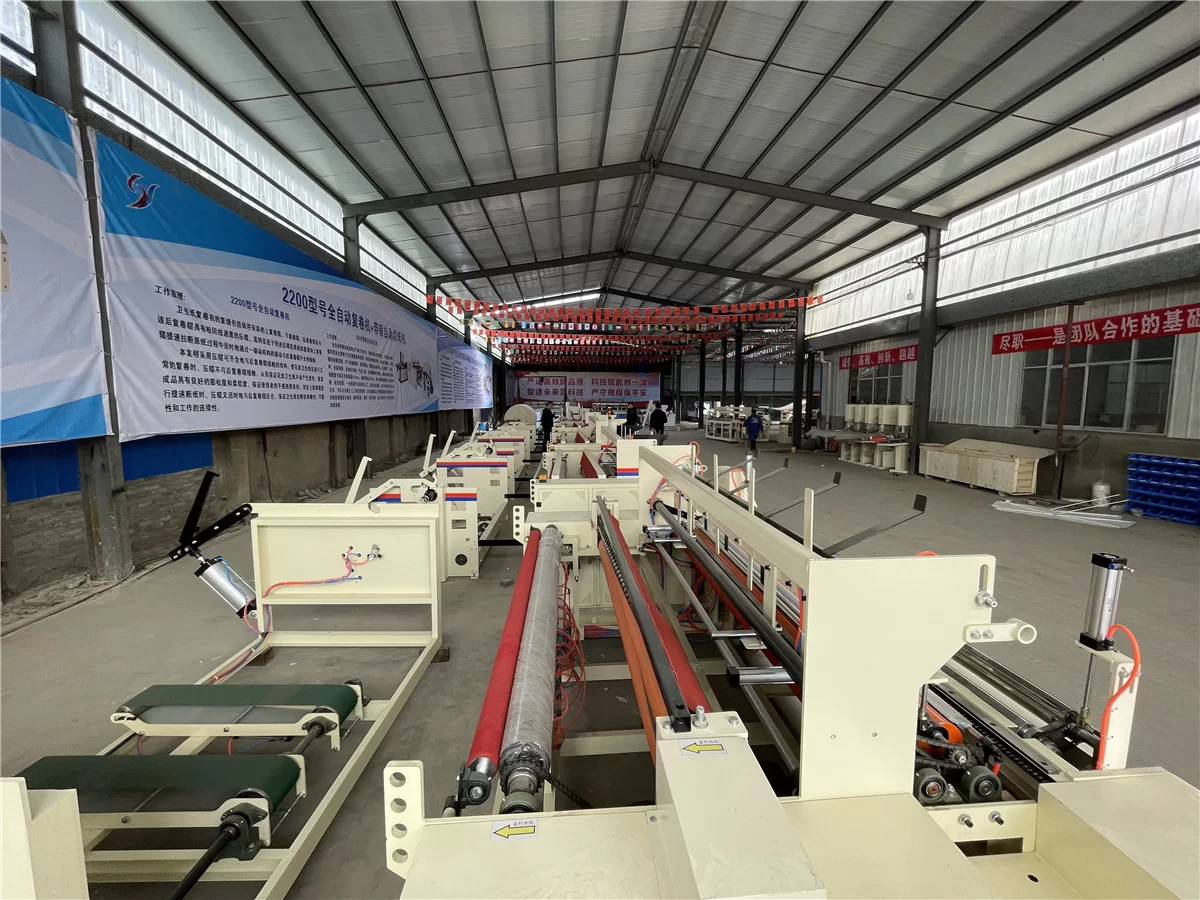
Main equipment
Confirm the model, working width, basic structure and primary functions of every machine.
Auxiliary equipment
Check whether the quotation includes conveyors, accumulators, air compressors, dust collection equipment, glue systems, printing units or other supporting devices.
Electrical system
Review the motor, frequency converter, programmable controller, touchscreen and main electrical components. The electrical voltage and frequency should match the installation country.
Standard accessories
Confirm which tools, change parts, spare blades, belts, heating components and consumable parts are included.
Packing and transportation
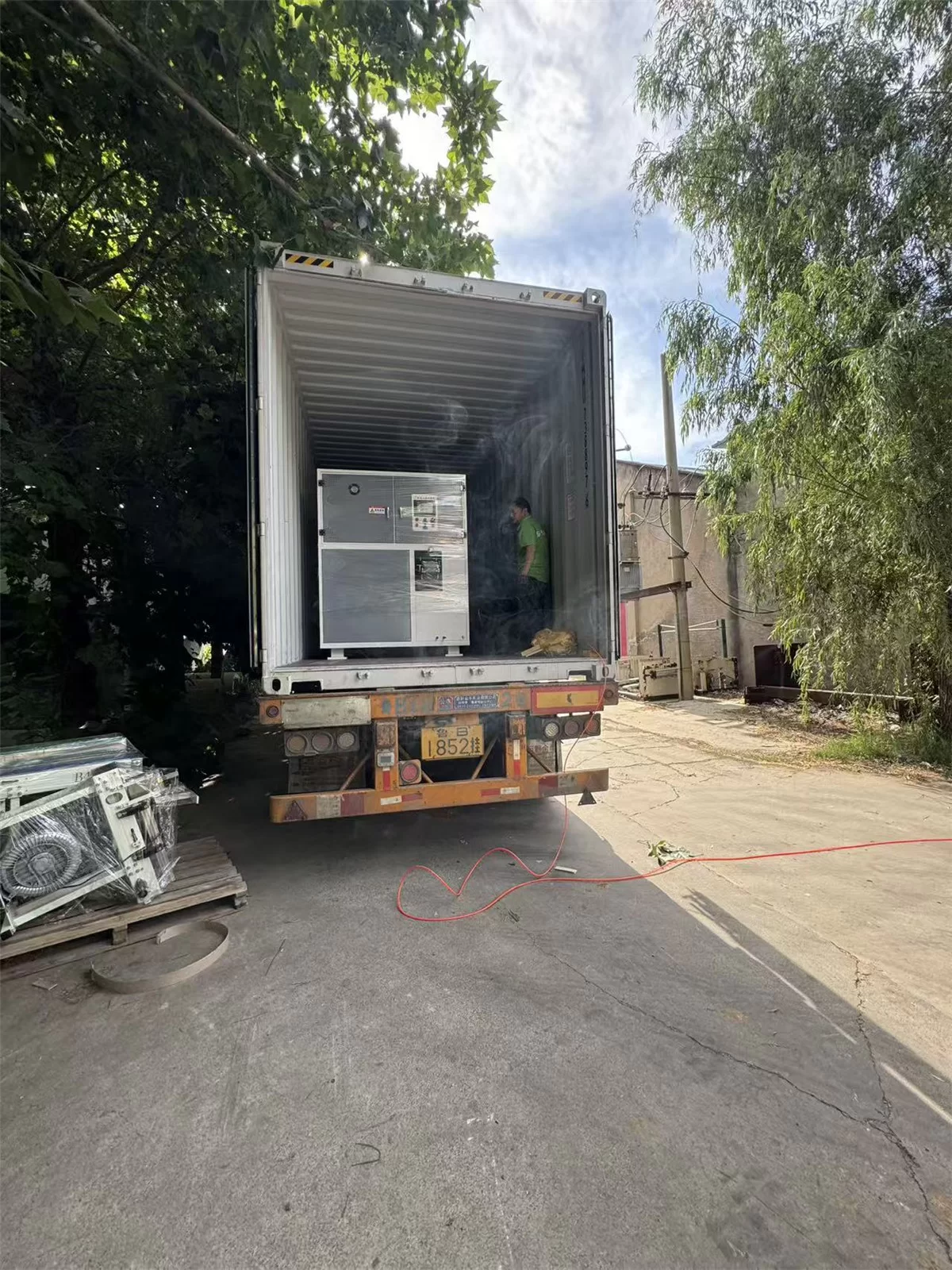
Identify whether the price includes protective packing, inland transportation, container loading or freight.
Installation and training
Confirm whether remote guidance, on-site installation, commissioning and operator training are included or quoted separately.
A lower price may simply reflect a smaller supply scope.
Compare automation by actual operator tasks
The word “automatic” is too broad to describe a complete production process.
A line may automatically rewind, cut or fold the material while operators still need to:
Move semi-finished products between machines
Arrange products before packing
Feed packing film
Replace cores
Collect finished packs
Inspect and reject defective products
Pack products into cartons or bags
Ask the supplier to describe every operator task from raw material loading to finished product collection.
A practical automation comparison should answer:
How many operators are required?
Where is manual transfer used?
What happens during a product change?
Which steps stop the complete line?
Can production continue if one downstream machine is unavailable?
This information helps determine whether additional automation will reduce labor or only increase the initial investment.
Review raw material and utility requirements
Production performance depends on more than the machine.
Each supplier should state the required:
Jumbo roll width and diameter
Paper basis weight
Material quality range
Compressed air pressure
Installed electrical power
Operating power
Glue, film or other consumables
Workshop temperature or humidity conditions, when relevant
If the factory cannot provide the correct electricity, compressed air or raw material, the expected output may not be achieved.
Utility requirements also affect the factory preparation budget. Transformers, cables, compressed air systems and ventilation should be evaluated before installation.
Look beyond the purchase price
The lowest quotation is not always the lowest-cost production option.
Consider the longer-term effect of:
Operator quantity
Product changeover time
Blade and belt replacement
Packing material consumption
Maintenance access
Availability of spare parts
Technical response time
Future expansion requirements
A machine that requires fewer operators may justify a higher initial cost in a market with expensive labor. In another factory, a simpler machine may be more practical because the owner wants easier maintenance and flexible manual operation.
The correct choice depends on local production conditions.
Ask for a responsibility list
A clear technical agreement should state what the supplier provides and what the buyer prepares.
The buyer may need to prepare:
Workshop foundation
Main electrical cable
Compressed air pipeline
Raw materials for testing
Lubricants and consumables
Lifting equipment
Installation personnel
Accommodation and transport for technicians
Writing these responsibilities into the agreement reduces uncertainty during delivery and installation.
A practical quotation comparison checklist
Before selecting a supplier, confirm that every quotation is based on the same:
Finished product specification
Raw material
Working width
Production scope
Automation level
Output calculation
Electrical standard
Packing method
Installation responsibility
Warranty scope
A quotation should not be evaluated as a single price. It is a proposed production system. The strongest proposal is the one that clearly connects equipment configuration with the finished product, factory conditions and operating plan.
This resource is prepared as practical machinery and production guidance. Technical values should be checked against the confirmed equipment configuration.