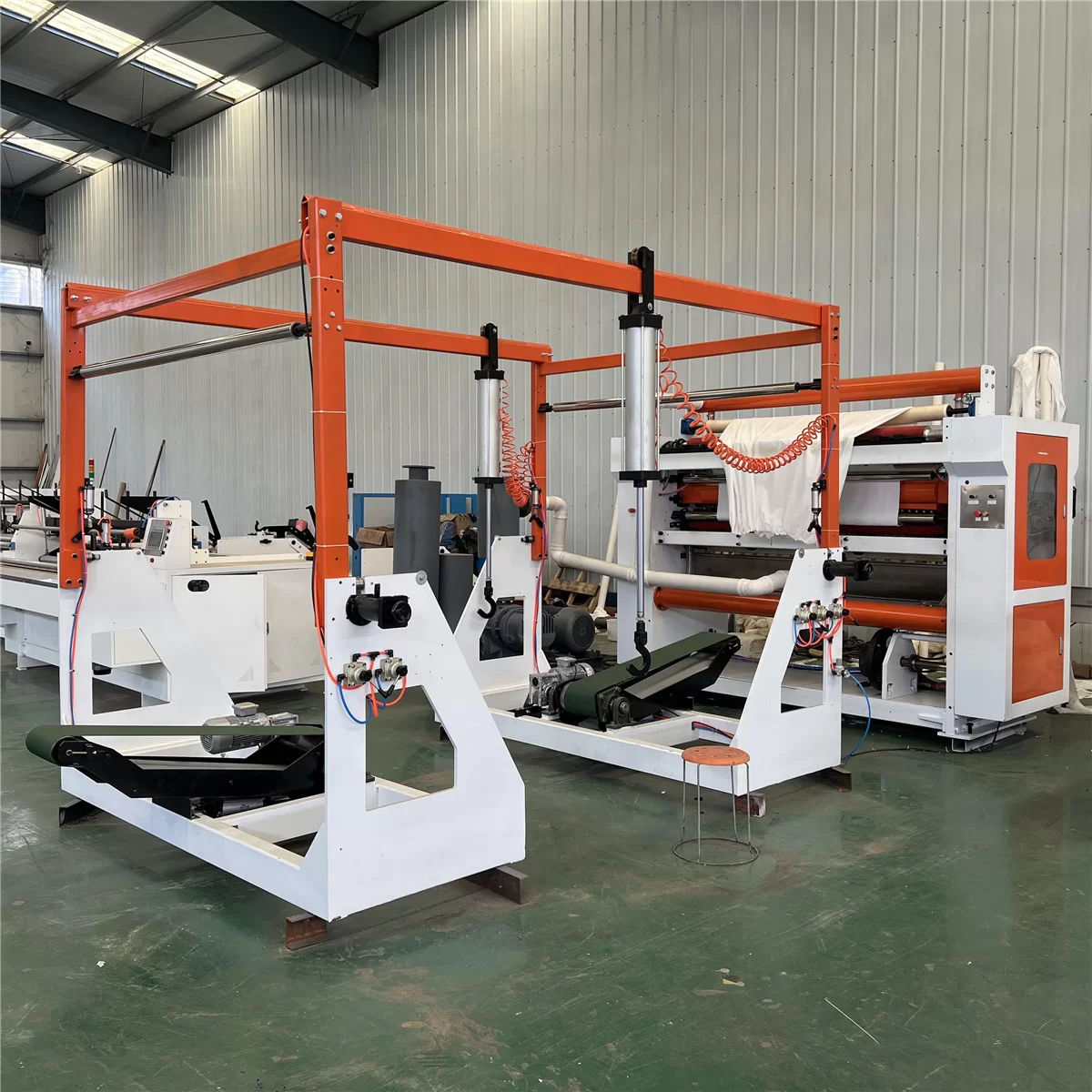
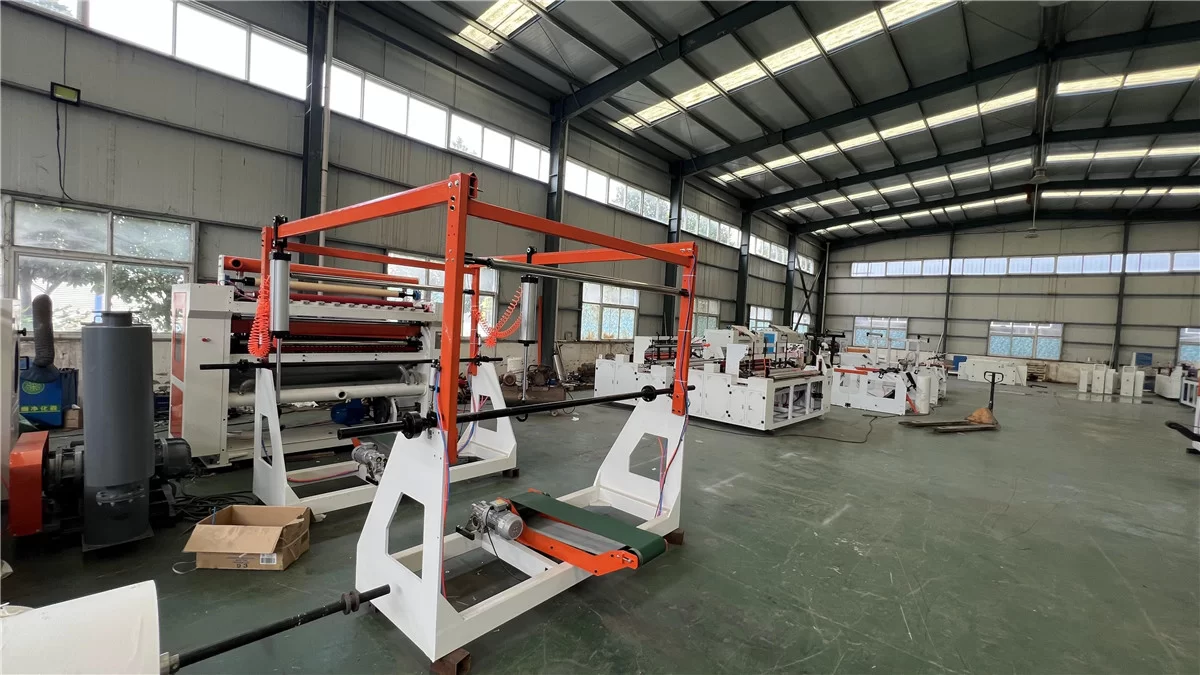
Read the guidance together with the actual finished product, raw material, target output, packaging format and factory conditions. General information does not replace model confirmation.
Both automatic log saws and band saws can cut long toilet paper logs into individual rolls. The correct choice depends on the required output, product stability, labor conditions and investment plan.
The machines should not be compared only by purchase price.
What Is a Band Saw?
A band saw uses a continuous blade to cut paper logs into individual rolls. The process normally requires more operator involvement for feeding, positioning, cutting or product collection.
A band saw can be practical for:
New or smaller factories
Moderate cutting volume
Frequent product changes
Several roll diameters
More operator-assisted production
Controlled initial investment
The operator’s skill and the condition of the paper log can affect cutting consistency.
What Is an Automatic Log Saw?
An automatic log saw completes a programmed sequence that may include:
Paper log feeding
Positioning
Clamping
Cutting
Finished-roll discharge
Waste-end handling
It is suitable for projects requiring repeated cutting, more consistent roll widths and better connection with automatic packing.
The automatic log saw must match the paper log diameter, length and density produced by the rewinder.
Compare Practical Output
An automatic log saw generally supports a more continuous cutting process. A band saw depends more heavily on manual handling and operator rhythm.
However, the highest cutting speed is not always the most important factor.
Consider:
Rewinder output
Paper log accumulation
Finished-roll collection
Packing capacity
Product changeover
Blade replacement
Waste handling
A high-speed cutter may remain idle if the upstream rewinder cannot supply logs or the downstream packing process cannot handle the cut rolls.
Compare Cut Consistency
Cut quality can be affected by:
Blade condition
Paper softness
Paper log density
Roll diameter
Clamping
Feeding stability
Cutting settings
An automatic log saw provides a more repeatable positioning and clamping sequence. This can support more consistent finished-roll widths when the paper logs remain stable.
A band saw can still produce acceptable products, but the operator and handling method have a greater influence on repeated results.
Compare Product Flexibility
A band saw may offer practical flexibility for factories producing several products in smaller batches. Operators can adapt the handling process more easily when log sizes change.
An automatic log saw can also support an adjustment range, but the buyer should confirm:
Minimum and maximum log diameter
Accepted log length
Finished-roll cutting range
Change parts
Program adjustment
Product transfer direction
Do not assume one automatic cutter can process every toilet roll and kitchen towel specification without changes.
Compare Labor Requirements
A band saw normally requires more direct operator involvement.
The work may include:
Loading paper logs
Positioning
Cutting
Collecting rolls
Removing waste
Feeding the packing process
An automatic log saw reduces selected repetitive tasks but still requires operators for material preparation, blade inspection, fault handling, cleaning and maintenance.
Compare Packing Connections
An automatic log saw is more suitable when the cut rolls need to move directly into:
Conveyors
Individual wrapping
Automatic counting
Multi-roll packing
Bundle packing
The discharge height, roll direction and transfer rhythm should be matched with the downstream equipment.
A band-saw process often uses manual collection and arrangement, which can be more flexible but requires more floor space and handling.
Compare Investment and Factory Conditions
A band saw normally has a lower initial investment and simpler operating requirements. An automatic log saw requires a larger budget, more electrical and control components and a clearer product flow.
The automatic option is easier to justify when:
Product specifications are stable
Output requirements are higher
Labor reduction is important
Automatic packing is planned
The factory has suitable technical personnel
Which One Should You Choose?
Choose a band saw when the factory has moderate output, frequent product changes, available operators and a need to control initial investment.
Choose an automatic log saw when the factory needs more continuous cutting, consistent roll dimensions and a stronger connection with automatic transfer and packing.
The final decision should be made from the complete production process. Cutting equipment should match the rewinder, finished product, packing arrangement and workshop plan rather than being selected as an isolated machine.
This resource is prepared as practical machinery and production guidance. Technical values should be checked against the confirmed equipment configuration.